



There’s a survey conducted in early 2021 by Pew Research Center to understand how Americans use social media, online platforms and messaging apps. They discovered that YouTube and Facebook continue to dominate the online landscape, with 81% and 69% of surveyed persons reporting ever using these platforms. Regarding the 18- to 29-year-olds, here’s how their preferences look like: Instagram (71%), Snapchat (65%), or Tik Tok (55%).


There is even more data about the age of these people, if they live in urban or suburban areas, their race, income, or studies.
The question is: what can you do with this data?
Let’s say you teach dancing in Lisbon, for kids, adults, and retirees. Should you advertise on Youtube, or TikTok? Well, if you’re targeting kids, maybe TikTok would do. But, you need to dig in a bit more in order to get your target audience better. And this is what we’re gonna talk about in this article.
So, in order to create a smart social media campaign you need to understand:
- The customer journey;
- Your audience;
- The social media targeting options.
Let’s hit the road!
Introducing the Customer Journey / Marketing Funnel

A customer journey or a marketing funnel is made of a series of brand-customer touchpoints that contribute to the process of converting a potential customer into an actual paying one.
In order to understand this journey and build strategies across it, you need to:
- Define your ideal customer
- Create those touchpoints
In B2C, an ideal customer is a person with certain characteristics and behaviour who resonates with your brand.
In B2B the definition is different: a hypothetical description of the type of company that would get the most value from your product/service.
Let’s say you are a SaaS company selling a CRM for banking. The ideal customer might be Barclays. But, who do you actually need to sell your product to inside Barclays? Enter buyer personas! A buyer persona is a semi-fictional depiction of a customer, with certain goals and challenges, demographics, motivators, that work inside the company you’re targeting, and will end up either using your product or buying it for someone else. For example, a Marketing Manager might buy the CRM, but it will be used by sales and marketing people (who might also be your buyer personas). There might be several buyer personas inside a targeted company (belonging to your ideal customer profile).
Now, I do not want to get more in-depth with this topic, just wanted to give you a helicopter view to make my point.
Let’s go back a bit to this funnel I mentioned in the beginning of this chapter. Let’s look at one of the most basic models out there, the one from Hubspot.


- In the awareness stage, you want to make your brand visible across various channels using specific strategies (PR, SEO, paid ads, etc).. You want to grab the attention of your ideal customers.
- In the consideration stage, your ideal customer starts to move closer to a conversion. But, his attention goes multiple ways. Your competition wants to lure him in as well. He’s making comparisons, he is engaging with several brands across various touchpoints (ads, social media, websites, offline stores, etc).
- In the decision stage or conversion stage, they’re ready to buy. The focus gets more narrow, the behaviour changes, interactions can happen with customer support, chatbots, on pricing pages, etc.
Now, between each stage there are drop-offs. As you already know, not everyone will end up buying. This is why the customer journey often gets called the marketing funnel. When you try to visualize the people at each stage, you’ll get this:


Where:
- TOFU stands for the top of the funnel (or awareness stage);
- MOFU stands for the middle of the funnel (or consideration stage);
- BOFU stands for the bottom of the funnel (or decision stage).
Ok, now you know that you need to create strategies that will move your ideal customer from awareness to conversion. But, we still haven’t yet figured out how to identify that audience.
5 Methods to Help You Get to Know Your Audience
In this chapter we’ll go through a few methods that will help you define your ideal customer profile, so that you can target them in your social media campaigns.
Let’s start!
1. Brainstorming
This is a strategy that suits brand new companies very well. What you’ll have to do is make a list of traits and behaviors for your ideal customers. You can include:
- Age;
- Gender;
- Income;
- Location and language;
- Education;
- Work;
- Hobbies;
- How they consume online content (device, what kind of social media, types of websites, apps they use, etc.);
Let’s say you are selling knitting kits. Probably your ideal customers are women between 30 and 50. Some of them are checking Youtube tutorials on knitting, and get pattern inspiration from Pinterest.
Now, women between 30 and 50 might be very different, they have different values and behavior. Even among 30 year olds, some of them might prefer organic textures made of alpaca hair, for example. In the long run you will have to create segments of potential customers with similar behaviors and values, and adjust your messaging accordingly.
You might say that these are assumptions, and you’re totally right. But when you have no idea where to start from, this method can provide you some anchors. The moment you run your first campaigns, and start having the first conversations with your potential customers, you can refine your audience definitions.
2. Spy on your competition.
99% of the time the product or service you sell actually exists. So, you need to identify the brands that compete with you and analyze how they:
- Communicate on the website, across social media, inside newsletters and other emails, with their paid ads;
- Present their products;
- Approach pricing;
- Deal with customer support;
Etc.
Going back to the knitting kits example, let’s look at a potential competitor: For example, when you look at the WeAreKnitters website, you realize that: they use pictures of women between 20 and 35, and that they segment products by the level of difficulty.


They also like to invest in packaging.


At the end of the day, you’ll need to figure out your selling point, how are you different from your competitors, and why should your potential customers care?
3. Run satisfaction surveys
You are probably familiar with these ones. When you book a room via AirBnb or Booking, you will be asked to fill in a satisfaction survey, right after you finish your stay. You can do the same with your customers to see what you can improve.
Now, besides questions about your product and how it can be improved, you can ask more personal questions: age, income, education, etc, that will help you get a more clear image of your customers.
4. Analyze website user behaviour
There are tools out there that:
- Can give you insights on the channels that drive the most traffic to your site, or the most conversions (eg: Google Analytics);
- Allow you to see how interactions happen on your site (eg: Mouseflow, Smartlook, etc.).
When you collect and analyze this data you will be able to figure out:
- Which are your most valuable traffic sources;
- Which pages are getting the most attention;
- If your site and marketing strategies manage to generate return visits;
- How users interact with certain website elements (buttons, videos, forms, checkout, etc.);
- How long does it take for a visitor to make a purchase (from his first interaction).

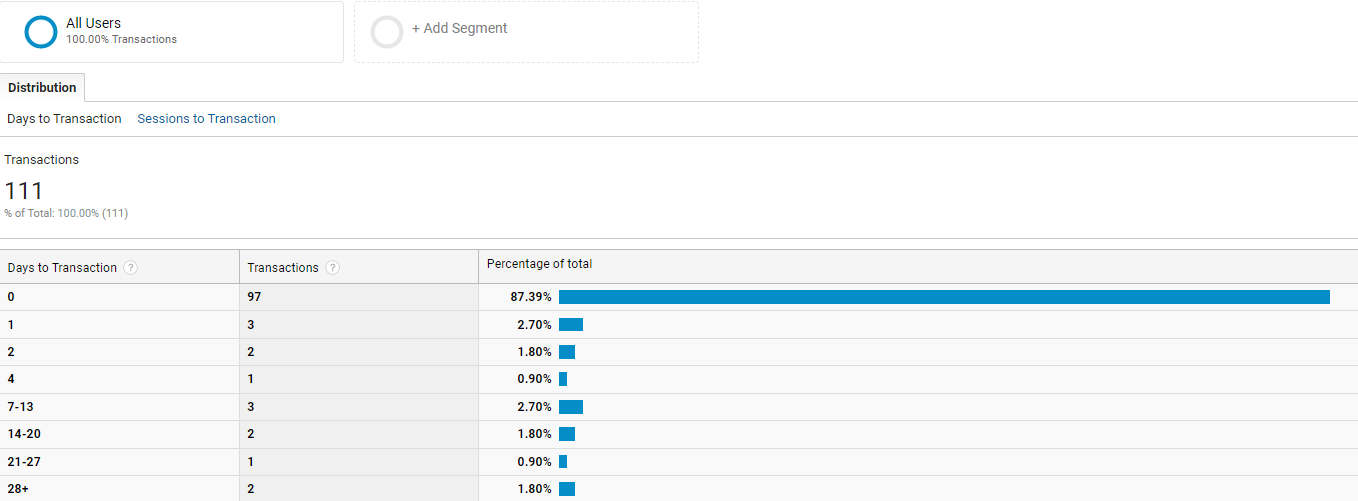
Based on this knowledge you will be able to adjust the way your website looks like, but also decide on how to allocate budget across various channels.
5. Use Reverse IP engineering tools
This strategy is suitable for B2B. Such tools can identify the people that are landing on your site. By identification I refer to: company name, social media profiles of the company, etc.
For example, Albacross shows you who they are and what they are interested in – so that you can turn them into customers.


Source: Abacross
Now that you know what’s the thing with audiences, it’s time to move on to targeting them in your social media campaigns!
Social Media Targeting Options
Until now I gave you some spoiler alerts regarding targeting. You probably remember these: age, gender, income, education, interests, etc.
Now, we’re going deeper, while looking at targeting options available for some of the most popular platforms out there:
- Facebook and Instagram (managed inside Facebook’s Ads Manager);
- Youtube (managed inside Google Ads);
- TikTok
Before diving into the options, I want to present some concept:
- Behavior targeting takes into consideration user interaction inside the platform. For example, TikTok lets you target users based on how they’ve interacted with videos.
- Keywords targeting can be used in Twitter, and takes into consideration the words used in tweets or Twitter searches. In the case of Youtube, the algorithm looks at the description and titles of videos.
- Life events is a targeting feature available in Facebook and Google Ads. In the “About” section of any Facebook user profile, users can state if they got engaged, married, or got a new job. Let’s say you’re a wedding planner, you can target all those people that recently got engaged.
- Site visitors or remarketing, this is a strategy that usually brings a good return on investment. If someone has already been to your site, but did not buy, you can tempt him back with a special offer. It’s easier to target users that already know you, than brand new people.
- Lookalike audiences or similar audiences can be built based on remarketing audiences for example. Let’s say you want to target people similar to the ones in your remarketing audience. You can do this by using this feature. You can also upload a list of contacts (previous customers, subscribers, leads) and create an audience similar to your contacts. The algorithms will look at their common traits and behavior, and give you access to a brand new audience that is similar to your input.
- Placements, this is where you tell Facebook or TikTok where to show you ads: Facebook feed, Instagram, Facebook Messenger, Instant Articles, etc. In the case of Youtube, you can even input specific videos or channels.
- Affinity audiences: reach people who already have a strong interest in relevant topics. These topics are grouped in buckets by Google, and available across Youtube.
- In-market audiences: find customers that have a high intent of buying a product similar to yours. These are also pre-defined buckets by Google, meaning that you can find them when creating ads for Youtube.

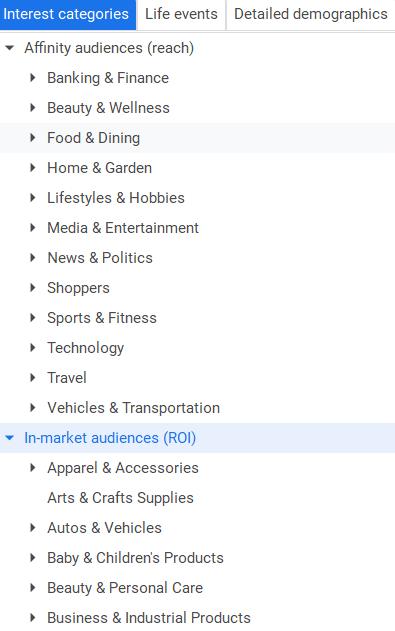
Now that these notions are clear, take a look at the targeting options that you can use when launching smart social media campaigns.
|
|
Facebook & Instagram |
Youtube |
|
|
TikTok |
|
Age |
x |
x |
x |
x |
x |
|
Gender |
x |
x |
x |
x |
x |
|
Location |
x |
x |
x |
x |
x |
|
Language |
x |
x |
x |
x |
x |
|
Education |
x |
|
|
x |
|
|
Interests |
x |
x |
x |
x |
x |
|
Behavior |
x |
x |
|
|
x |
|
Keywords |
|
x |
|
x |
|
|
Income |
x |
x |
|
|
|
|
Life events |
x |
x |
|
|
|
|
Device |
x |
x |
|
x |
x |
|
Website visitors |
x |
x |
x |
x |
x |
|
Lookalike/similar audiences |
x |
x |
x |
x |
x |
|
Contact lists |
x |
x |
x |
|
|
|
Company size |
|
|
x |
|
|
|
Company name |
x |
|
x |
|
|
|
Industry |
|
|
x |
|
|
|
Job title |
x |
|
x |
|
|
|
Seniority |
|
|
x |
|
|
|
Functions |
|
|
x |
|
|
|
Skills |
|
|
x |
|
|
|
Affinity audiences |
|
x |
|
|
|
|
In-market audiences |
|
x |
|
|
|
|
Placements |
|
|
|
|
x |
|
Topics |
|
x |
|
x |
|
|
Connections or followers |
x |
|
|
x |
|
|
App activity |
x |
x |
|
|
x |
Now, these targeting options can be combined.
You’ve probably noticed by now that I love tables and bullet points. I have one more table for you, where I try to pair these targeting options and the customer journey. You’ll notice that they might overlap.
|
Awareness |
Consideration |
Decision |
|
Age |
Age |
Age |
|
Gender |
Gender |
Gender |
|
Location |
Location |
Location |
|
Language |
Language |
Language |
|
Education |
|
|
|
Interests |
Interests |
Interests |
|
Behavior |
Behavior |
Behavior |
|
Keywords |
Keywords |
Keywords |
|
Income |
Income |
Income |
|
Life events |
Life events |
Life events |
|
Device |
Device |
Device |
|
|
Website visitors |
Website visitors |
|
Lookalike/similar audiences |
|
|
|
|
Contact lists |
Contact lists |
|
Company size |
Company size |
Company size |
|
Company name |
Company name |
Company name |
|
Industry |
Industry |
Industry |
|
Job title |
Job title |
Job title |
|
Seniority |
Seniority |
Seniority |
|
Functions |
Functions |
Functions |
|
Skills |
Skills |
Skills |
|
Affinity audiences |
|
|
|
|
In-market audiences |
In-market audiences |
|
Placements |
Placements |
Placements |
|
Topics |
Topics |
|
|
Connections or followers |
|
|
|
App activity |
App activity |
App activity |
Don’t take this for granted for your own industry or product, the key is to refine while you get results and feedback.
Conclusion
In the end there’s no secret sauce for creating smart social media campaigns. There are just:
- Some best practices
- Lots of work
- Testing
- Reiteration
The targeting options are just a tool that can help you reach your goals. If you do not nail your audience segmentation, personalized messaging, and properly identify the stage in the customer journey, you might end up losing time and money.
So, let’s be smart and data-driven!
About the author:
With Crowdfire, you can find curated content, schedule your posts, engage with your audience, deep-dive into analytics and create custom reports. Now introducing Social listening. Try it for free.