

 Posted by
 The design industry has always been a dynamic industry, constantly evolving with technological advancements. Today, a new force is rapidly transforming how we approach design: Artificial Intelligence (AI).
AI in design, often referred to as AI-driven design, is a powerful set of tools that are fundamentally change the way we create everything from logos and websites to user interfaces (UI) and product experiences. But is AI a friend or foe for designers? Let’s find out.
The Power of AI in Design

There’s no denying that AI offers a wealth of benefits that can significantly enhance the design process. Here are some key ways AI in Design is making its mark.
Automated Tasks
Imagine a world where tedious, repetitive tasks like image resizing, background removal, and basic layout generation are handled by AI in Design.
This frees up designers to focus on the higher-level creative aspects of their work, such as conceptualizing ideas, crafting innovative solutions, and injecting their unique human touch.
AI-driven design tools can automate these tasks with impressive accuracy, allowing designers to dedicate their energy to the strategic and creative aspects of the design process.
Data-Driven Insights
In today’s data-driven world, understanding user behaviour is crucial for creating successful designs.
AI excels at analyzing vast amounts of user data to identify trends and patterns. This data can then be used to inform design decisions, ensuring they are user-centred and meet the evolving needs of the audience.
For example, a survey about the Future of Design with AI states that 18% of Designers say AI helps in facilitating data-driven design decisions.
AI in Design can analyze website click-through rates to identify areas where users struggle to find the information they need. This allows for targeted UX design improvements, ultimately leading to a more user-friendly and engaging experience.
Personalized Experiences
Personalization is king in today’s competitive online environment. AI-driven design tools can personalize the design experience for individual users.
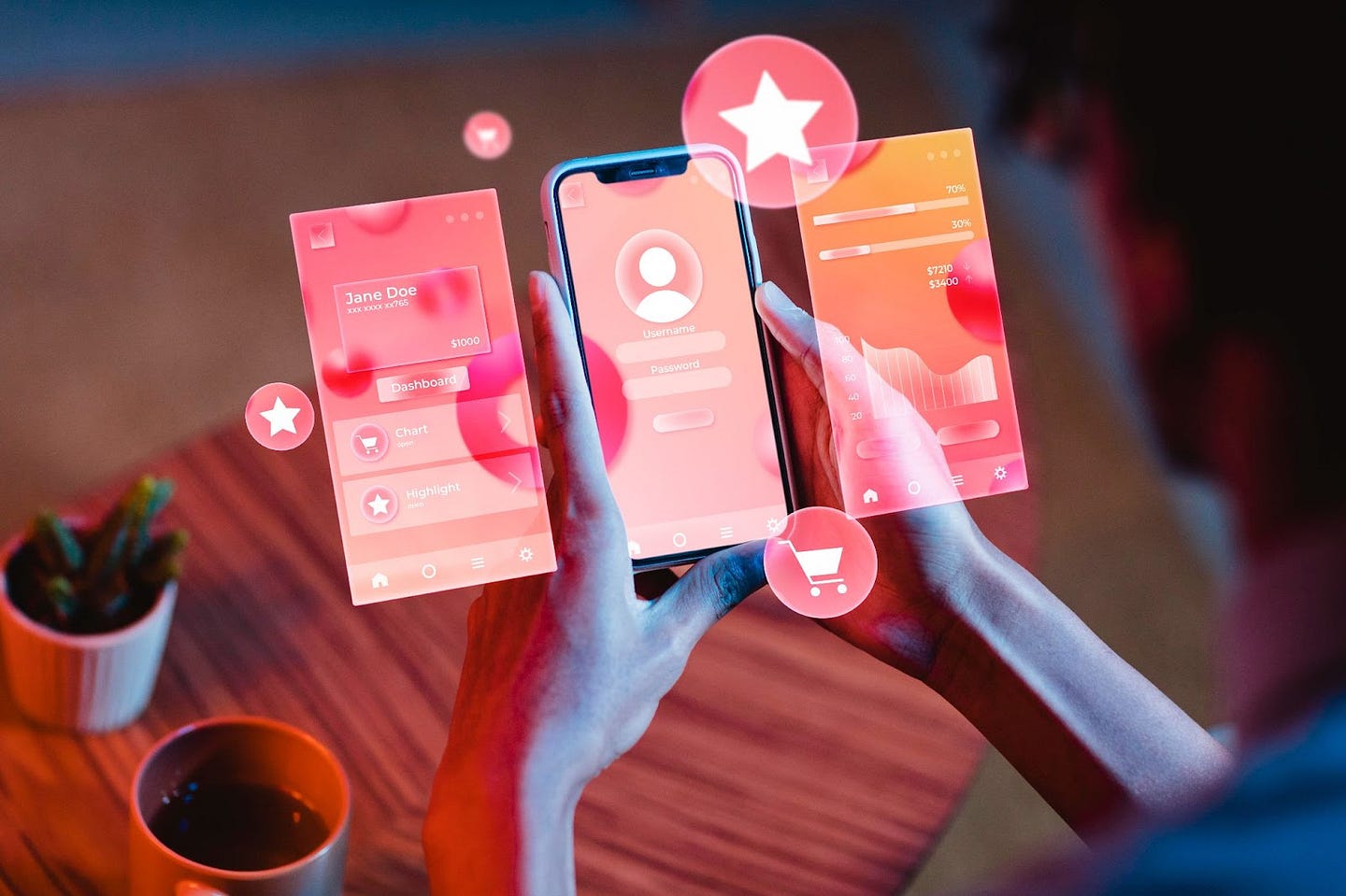
Let’s say a website dynamically adjusts its layout and content based on user preferences, product recommendations tailored to individual tastes, and marketing materials that resonate with specific demographics.
This high level of personalization creates a more engaging and relevant experience for each user, fostering brand loyalty and driving conversions.
Faster Iteration
The design process often involves multiple rounds of iteration and testing. AI can significantly accelerate this process.
AI-driven design tools allow designers to quickly generate multiple design variations and receive instant feedback from AI algorithms. This rapid prototyping allows for exploring a wider range of possibilities and arriving at the best solution much faster.
This streamlined approach saves time and resources, allowing designers to focus on refining the most promising design options.
Some examples of AI in Action
Netflix: The streaming giant utilizes AI to personalize content recommendations for each user. This AI-driven design approach ensures a more enjoyable viewing experience by tailoring the interface to individual preferences.
Spotify: Spotify uses AI algorithms to curate playlists, suggesting music based on individual user preferences and listening habits. Here, AI personalizes the UX design by tailoring the music selection to each user’s unique taste.
AI: A Tool, Not a Replacement
While AI offers impressive capabilities, it’s important to remember that it is a tool, not a replacement for human designers.
The essence of good design lies in creativity, empathy, and the ability to translate complex ideas into visually appealing and user-friendly experiences.
AI can’t replicate these uniquely human qualities. Ultimately, the role of the designer in the age of AI is to leverage these powerful tools while maintaining a focus on:
- Strategic Vision: AI can generate ideas and analyze data, but the final design decisions should always be driven by the designer’s strategic vision and creative intuition.
- Emotional Connection: Great design goes beyond functionality; it evokes emotions and creates a connection with the user. AI can’t replicate the human ability to understand and tap into these emotional nuances. Designers must use their empathy and storytelling skills to craft experiences that resonate on a deeper level.
- Ethical Considerations: As AI algorithms become more sophisticated, it’s crucial to be mindful of potential biases. Designers must ensure that AI-driven design tools are used ethically and that the resulting designs are inclusive and user-centered, catering to a diverse range of users.
The Future of AI in Design: Collaboration is Key
The future of AI in design lies in collaboration, not competition, between humans and AI. Designers who can effectively integrate AI tools into their workflow will be well-positioned to thrive in this exciting new era. Here are some ways designers can embrace AI effectively:
Stay Informed: The AI design landscape is constantly evolving. Designers should stay up-to-date on the latest advancements in AI-driven design tools by subscribing to industry publications, attending workshops, and exploring online resources.
Experiment: Don’t be afraid to experiment with AI tools to see how they can enhance your workflow. There’s a wide range of AI-driven design tools available, each with its own capabilities. Experimentation allows designers to discover how these tools can streamline tasks, free up time for creative endeavors, and potentially unlock new design possibilities that might not have been considered before.
Focus on Strategy: While AI can generate ideas and analyze data, it’s the designer who uses this information to craft a strategic design approach. AI should be used to inform design decisions, not dictate them.
Maintain Ethical Practices: As mentioned earlier, be mindful of potential biases in AI algorithms. Carefully evaluate the data used to train them and actively work to mitigate any potential bias in the final design output. Always prioritize user needs and strive to create designs that are accessible and welcoming to everyone.
Conclusion
The future of design is a collaboration between AI and Designers. AI automates tasks and sparks ideas, but it can’t replace the human touch. Strategic thinking, storytelling, and user empathy remain the core.
Forward-thinking UI/UX Design Agency that embraces AI as a partner holds the power to unlock a new era of creativity. Imagine AI-powered research informing user-centered solutions and rapid prototyping accelerating innovation.
This powerful synergy will shape how we interact with the digital world in remarkable ways. The future is bright for those who can leverage this human-AI design renaissance.