

 Posted by
 Today, social media has become an integral part of our lives, influencing how we communicate, share information, and make decisions. For businesses, social media presents a valuable opportunity to engage with customers, build brand awareness, and drive sales. However, to harness the full potential of social media, it is essential to understand and analyze the data generated from these platforms. This is where social analytics comes into play.
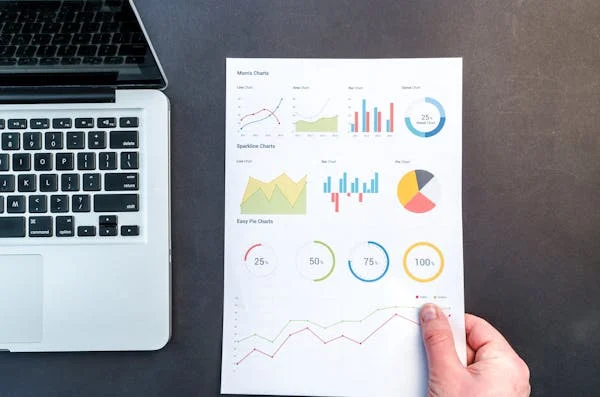
Social analytics is the process of collecting, analyzing, and interpreting data from social media platforms to understand and improve the performance of social media activities. It involves the use of various tools and techniques to monitor social media channels, track metrics, and gain insights into audience behavior, engagement, and trends. In this blog, we will explore the key aspects of social analytics, including data collection, metrics, tools, audience analysis, competitor analysis, content performance, trend analysis, reporting, and ROI measurement.
Data Collection in Social Analytics
The first step in social analytics is data collection. This involves gathering data from various social media platforms such as Facebook, Twitter, Instagram, LinkedIn, and others. There are several methods for collecting social media data:
Social Media Monitoring: This involves continuously tracking social media platforms for mentions, keywords, hashtags, and relevant content. Tools like Hootsuite and Sprout Social can help automate this process, allowing businesses to stay on top of conversations and trends related to their brand.
APIs (Application Programming Interfaces): Many social media platforms provide APIs that allow developers to gather data. For instance, Twitter’s API enables users to access tweets, retweets, likes, and other engagement metrics. This data can be used to create custom reports and dashboards.
Metrics and Key Performance Indicators (KPIs)
Once data is collected, the next step is to analyze it using various metrics and KPIs. These metrics provide insights into how well social media activities are performing and help identify areas for improvement. Some common social media metrics include:
Engagement Metrics: These metrics indicate how users are interacting with social media content. Examples include likes, shares, comments, and retweets. High engagement levels suggest that the content is resonating with the audience.
Reach and Impressions: Reach refers to the number of unique users who have seen a post, while impressions indicate the total number of times a post has been displayed. These metrics help measure the visibility of social media content.

Sentiment Analysis: Sentiment analysis assesses the tone of social media conversations (positive, negative, or neutral) to understand public perception. Tools like Lexalytics and MonkeyLearn can analyze the sentiment of social media mentions and provide insights into customer opinions.
Tools and Software for Social Analytics
Several tools and software solutions are available to help businesses with social analytics. These tools provide comprehensive analytics and reporting features, making it easier to track and analyze social media performance. One such tool is Crowdfire.
Crowdfire: Crowdfire is a social media management tool that offers a range of features, including content scheduling, engagement tracking, and analytics. It allows businesses to monitor their social media accounts, track engagement metrics, and gain insights into audience behavior. Crowdfire’s analytics dashboard provides a visual representation of key metrics, making it easy to understand performance at a glance.
Other popular social analytics tools include Google Analytics, Hootsuite, Sprout Social, and Buffer. Each of these tools offers unique features and capabilities, allowing businesses to choose the one that best meets their needs.
Audience Analysis
Understanding the audience is crucial for effective social media marketing. Audience analysis involves examining the demographics, interests, and behaviors of the audience engaging with social media content. This information helps businesses tailor their content and strategies to better meet the needs and preferences of their audience.
For example, a fashion brand targeting young adults might analyze the age, gender, and interests of their followers on Instagram. They might discover that a significant portion of their audience is interested in sustainable fashion. Armed with this insight, the brand can create content that highlights its eco-friendly products, resonating with its audience and driving higher engagement.

Competitor Analysis
Competitor analysis is another important aspect of social analytics. By monitoring competitors’ social media activities, businesses can benchmark their performance and identify opportunities for differentiation. This involves tracking competitors’ engagement metrics, content strategies, and audience responses.
For instance, a tech company might use social analytics tools to analyze the social media presence of its competitors. They might discover that a competitor’s product launch posts are generating high engagement. By studying the content and timing of these posts, the company can develop a more effective strategy for its own product launches.
Content Performance
Analyzing content performance is essential for optimizing social media strategies. This involves examining which types of content (videos, images, text posts) are performing best and driving the most engagement. By understanding what works, businesses can refine their content strategy and create more effective posts.
For example, a travel agency might analyze the performance of its Instagram posts and discover that videos showcasing exotic destinations receive higher engagement than static images. Based on this insight, the agency can focus on creating more video content to captivate its audience and increase engagement.
Trend Analysis
Trend analysis helps businesses identify trending topics and hashtags relevant to their brand or industry. Leveraging trends allows businesses to create timely and relevant content that resonates with their audience. Social analytics tools can help track trends and provide insights into what is currently popular on social media.
For example, during the holiday season, a food and beverage company might use social analytics to identify trending holiday recipes and hashtags. By creating content around these trends, the company can increase its visibility and engagement during a peak season.
Reporting and Insights
Regular reporting is crucial for tracking social media performance and making data-driven decisions. Social analytics tools provide comprehensive reporting features that summarize performance, highlight key metrics, and offer actionable insights. Dashboards can visualize data, making it easier to understand and track progress over time.
For instance, a marketing team might create a monthly report using Crowdfire’s analytics dashboard. The report could include metrics such as engagement rates, reach, and sentiment analysis, along with insights and recommendations for improving performance. This allows the team to identify trends, measure the effectiveness of their strategies, and make informed decisions.
ROI Measurement
Finally, measuring the return on investment (ROI) of social media campaigns is essential for understanding their impact and justifying the resources allocated to them. This involves tracking conversions, leads, and sales attributed to social media activities. By calculating ROI, businesses can determine the effectiveness of their campaigns and make adjustments as needed.
For example, an e-commerce company might track the number of sales generated from a social media ad campaign. By comparing the revenue generated to the cost of the campaign, the company can calculate the ROI and assess the campaign’s success.
Social analytics is a powerful tool for businesses looking to optimize their social media strategies and achieve their marketing goals. By collecting and analyzing data from social media platforms, businesses can gain valuable insights into audience behavior, engagement, and trends. Tools like Crowdfire make it easier to monitor social media accounts, track key metrics, and create comprehensive reports.
Through audience analysis, competitor analysis, content performance analysis, trend analysis, and ROI measurement, businesses can refine their social media strategies and create more effective campaigns. By leveraging the power of social analytics, businesses can enhance their social media presence, engage with their audience, and drive better results.