

 Posted by
 You can have the best product in the world, but if you’re clueless about how people really feel about your brand, you’re not going to get very far.
If you might feel a little intimidated after hearing this, then you need to better understand what social media sentiment analysis is and how to conduct it effectively. And if it’s not the case yet, what are we here for?
Sounds tough? It can be. But it’s certainly not impossible.
So, grab a cup of hot chocolate (or a refreshing drink of your choice) and get ready to dive in! We promise you won’t be disappointed. Let’s get started!
What is Social Media Sentiment Analysis?
Social media sentiment analysis (which you might also hear referred to as opinion mining) is the process of gathering and reviewing data about how your customers perceive and talk about your products or brand across social media.
So, if you want to understand consumers beyond the number of followers and reactions, then sentiment analysis is definitely the name of the game!
Measuring social media sentiment is powerful enough to help you track and manage online conversations about your brand.
Why Is a Social Media Sentiment Analysis Worth It?
Marketing has taught us that all customers are not the same, and therefore, their perception of your brand and their satisfaction levels are unpredictable. Luckily, social media sentiment analysis comes to save the day.
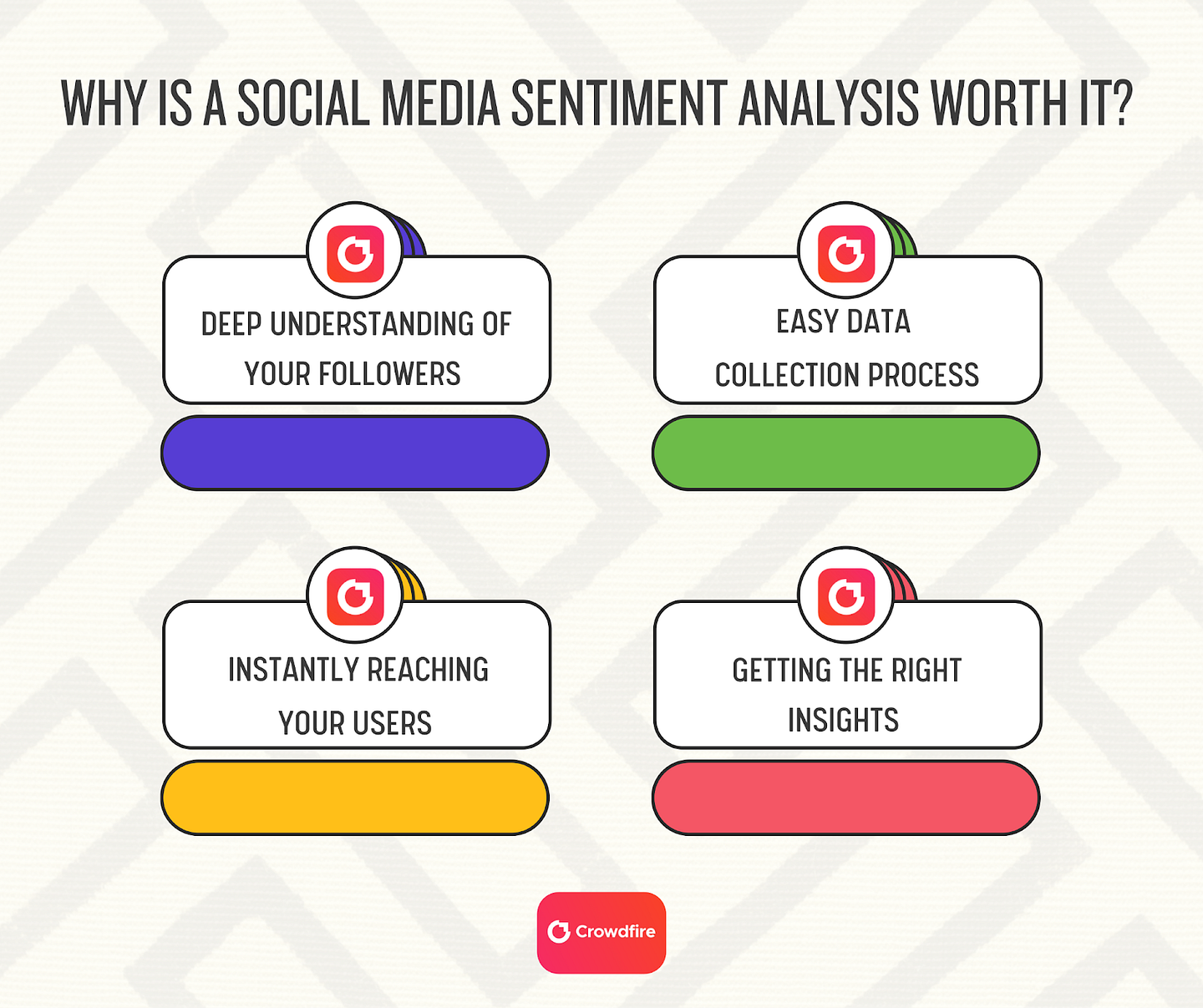
Now, if you’re scratching your head wondering why or how you should monitor social media sentiment? We’ve got you covered.
Deep understanding of your followers
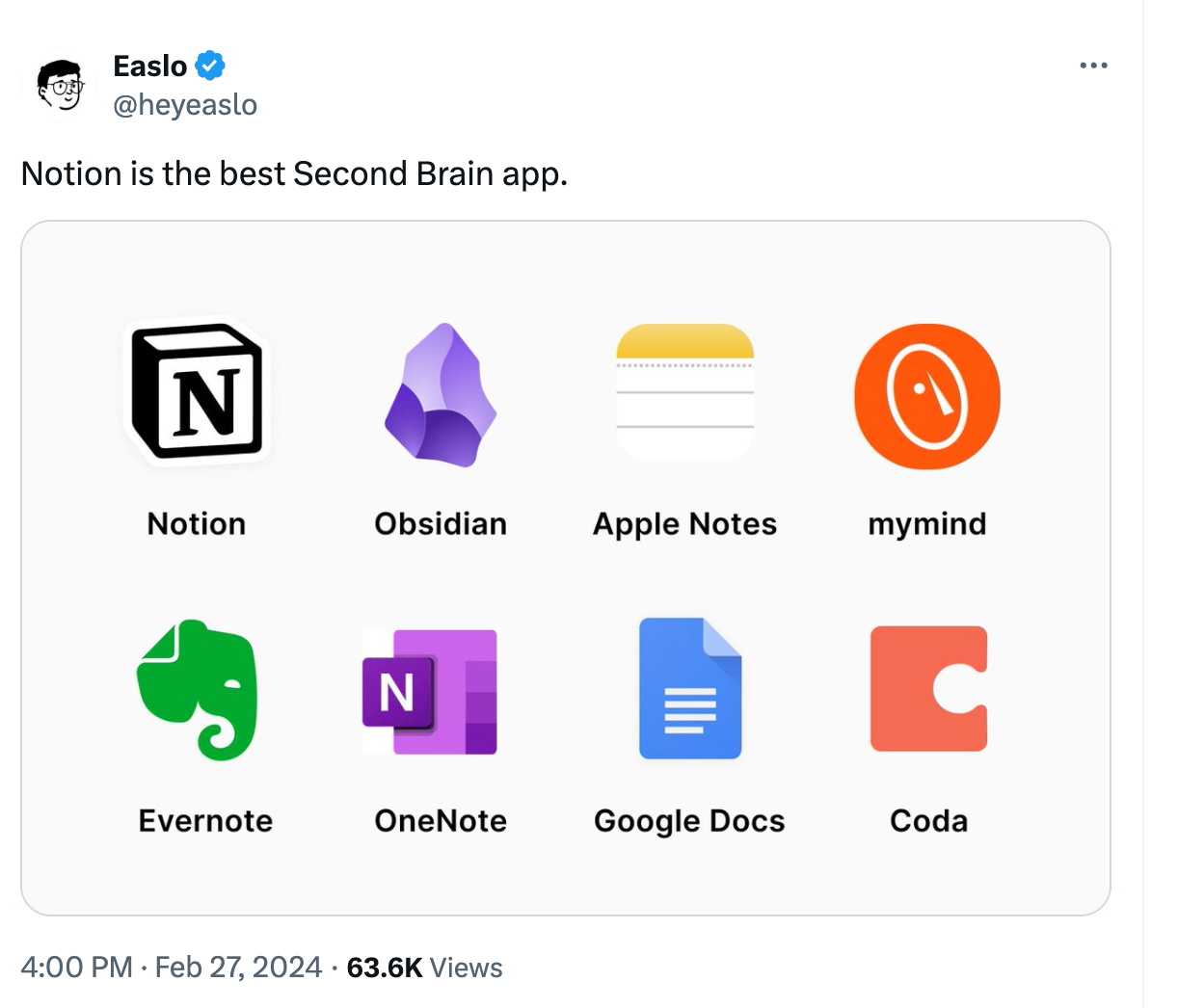
Nothing on social media happens by chance, and the feedback you receive in your mentions is no different. Be it a compliment or a critique, businesses should see the broader spectrum of their audience’s sentiments. Take, for instance, a sudden influx of praise for a productivity tool like Notion — that’s certainly a great point that should be highlighted in their X sentiment analysis.
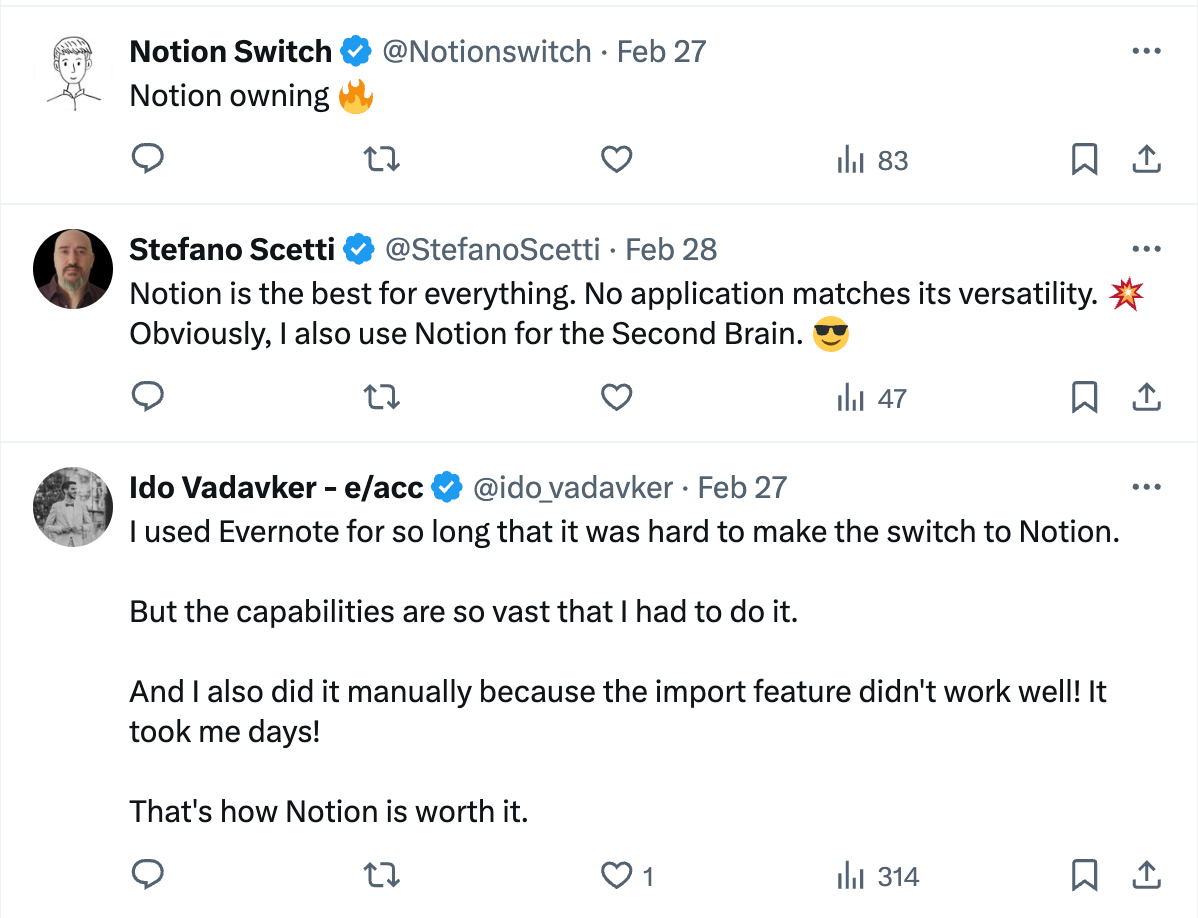
On the flip side, when your product faces a barrage of negative comments from your followers/users, it’s a clear signal that you need to take action.
Easy data collection process
Head over to the search bar, write down your brand name, start scrolling through the mentions, and put that data to work! Even though it’ll take a little more work than that, this is how you can monitor your brand performance on the platforms where you’ve got a solid online presence. Simple data collection, just like that.
Instantly reaching your users
Social media sentiment analysis is not just about improving your product. It goes way beyond that. Just think about when you engage directly with a customer who mentioned your brand in his post and jump in to resolve their issue. That instant ‘Aha!’ moment not only resolves their problem but also boosts your brand reputation.
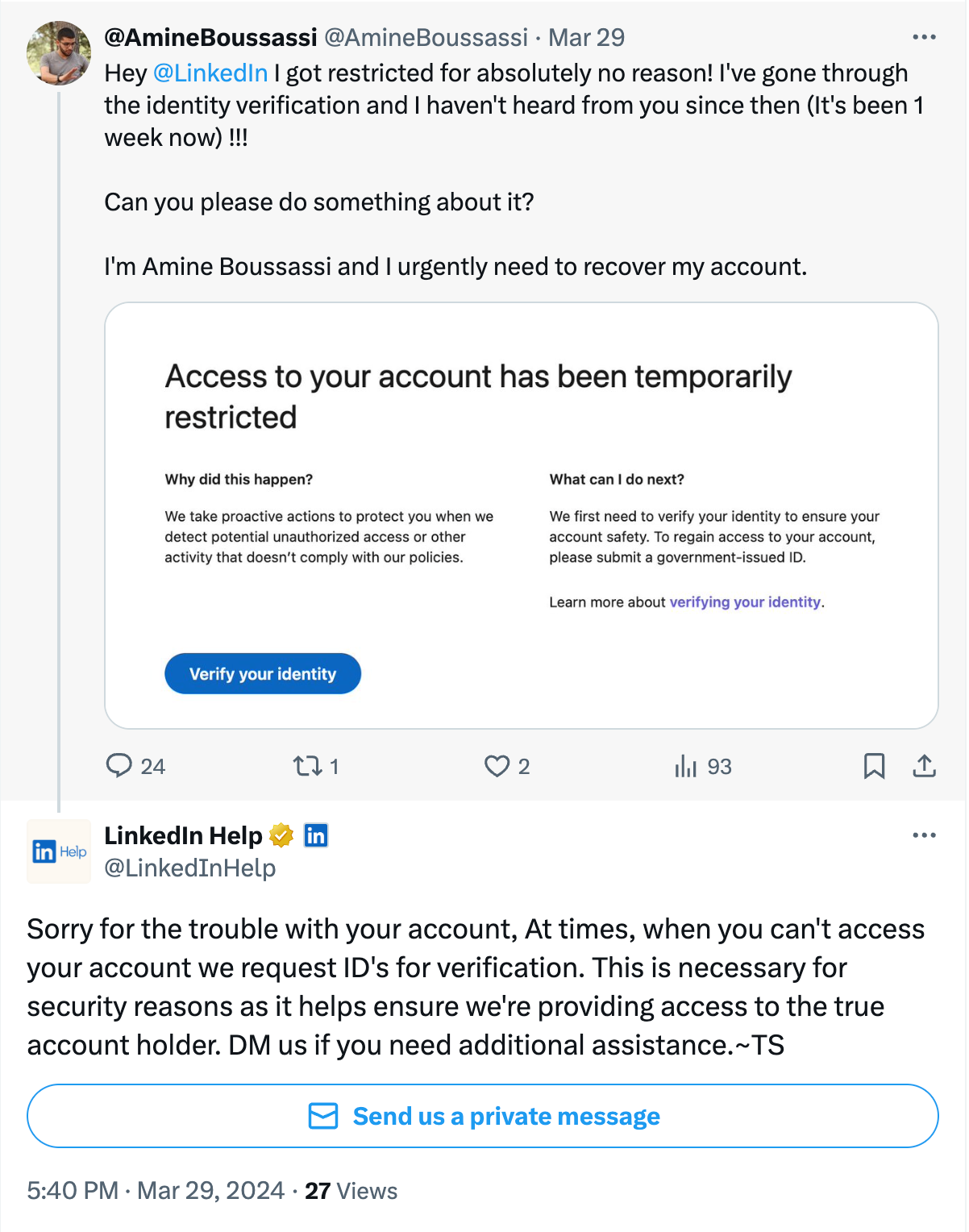
Take a look at my recent experience with LinkedIn and how proactive their support team was in trying to solve the problem I was facing with their platform. This speaks volumes about the engagement this networking app is having with its users.
Getting the right insights
Best of all? Social media will tell you exactly what hits the mark with your users, and what type of content is more likely to speak to them. This insight is a big piece of the puzzle that probably gets talked about less than it should, as it allows your brand to connect with your audience on a deeper level.
How To Effectively Conduct A Social Media Sentiment Analysis?
Now that we have established what social media sentiment is and why it’s important to analyze it in-depth, let’s get to know the process of conducting this analysis a bit better. But it goes without saying that’s all easier said than done.
So, let’s move on to this more complicated part!
Locate your audience discussions
We are living in an era where customers are loudly speaking about brands, both on social media and offline.
We get it — it’s impossible to track every word spoken offline, but you can definitely keep tabs on your social media platforms. Think Twitter, Meta, TikTok — you name it.
But don’t stop there; always go the extra mile and make sure you’re keeping a close eye on platforms where consumers love to give their two cents, like Google Reviews, Reddit, Capterra, forums ..etc.
Also, don’t forget to include on-site reviews right on your website. These insights often come from your long-term and repeat customers, so the best way to engage directly with them is by embedding a live chat on your website. A great way to show how much you value their feedback.
The takeaway from all of this? Let’s recap one more time: you can leverage positive feedback and use it in your marketing strategies. You can also show your audience you’re listening to their critiques by enhancing your product and quickly addressing their concerns.
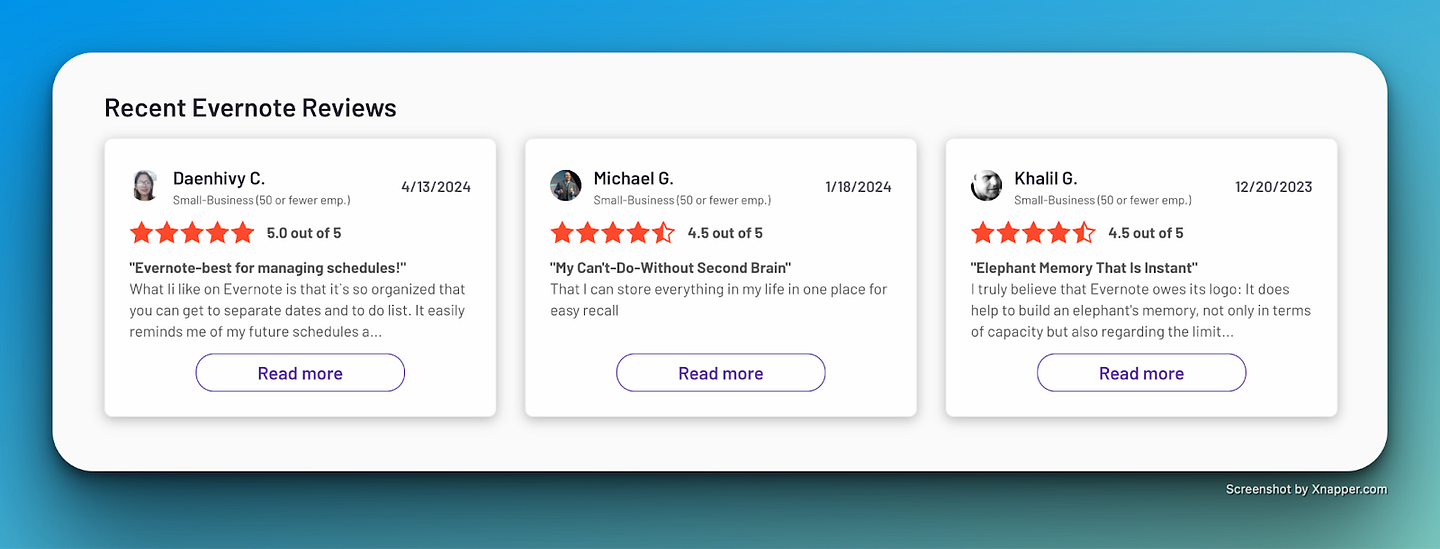
When you search for Evernote on the G2 portal, here’s what you’ll find. Do you really think the Evernote team doesn’t monitor these reviews?
It goes without saying that this process will require the use of specialized sentiment analysis tools. Based on the data you feed them (favorite platform, priority audience group, and main keywords you want to track), these tools will do all the heavy lifting for you.
Pick the relevant terms
We hate to state the obvious, but let’s do it for the last time 😜 sentiment analysis is all about being able to distinguish positive mentions from negative ones. The best way to do that? Identifying the keywords consumers use to express their feelings.
But simple words alone won’t tell the whole story. In this case, you need to dig deeper and use your industry jargon.
You’ve found the most relevant terms and listed industry-specific buzzwords. Congratulations. But you’re not done yet. Now, you should classify these words into positive and negative categories and then start your sentiment research.
Here’s how positive and negative terms related to a productivity tool would look like:
- Positive terms: best, top, like, easy-to-use, amazing, perfect, useful, seamless.
- Negative terms: worst, hard, ugh, bad, learning curve, avoid, bugs.
Sometimes, it’s all about Context
Here comes the hard part! At this point, we assume that you’re aware of the amount of sarcasm and idioms users can throw into their social media comments. And as advanced as these tools may be, sometimes they need help understanding consumer sentiment. So, just a friendly little tip: get hands-on and double-check your mentions. This way, nothing gets missed out.
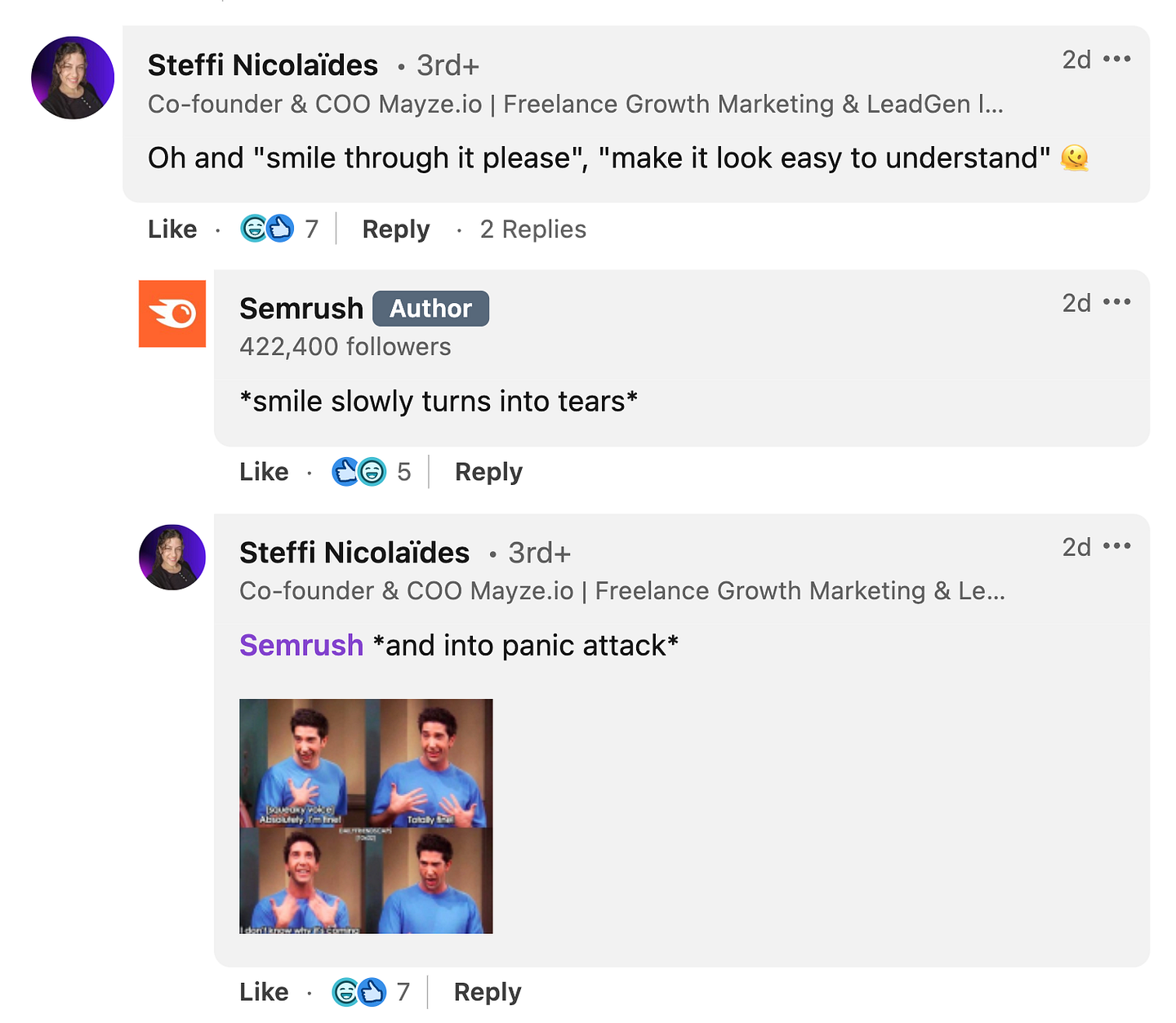
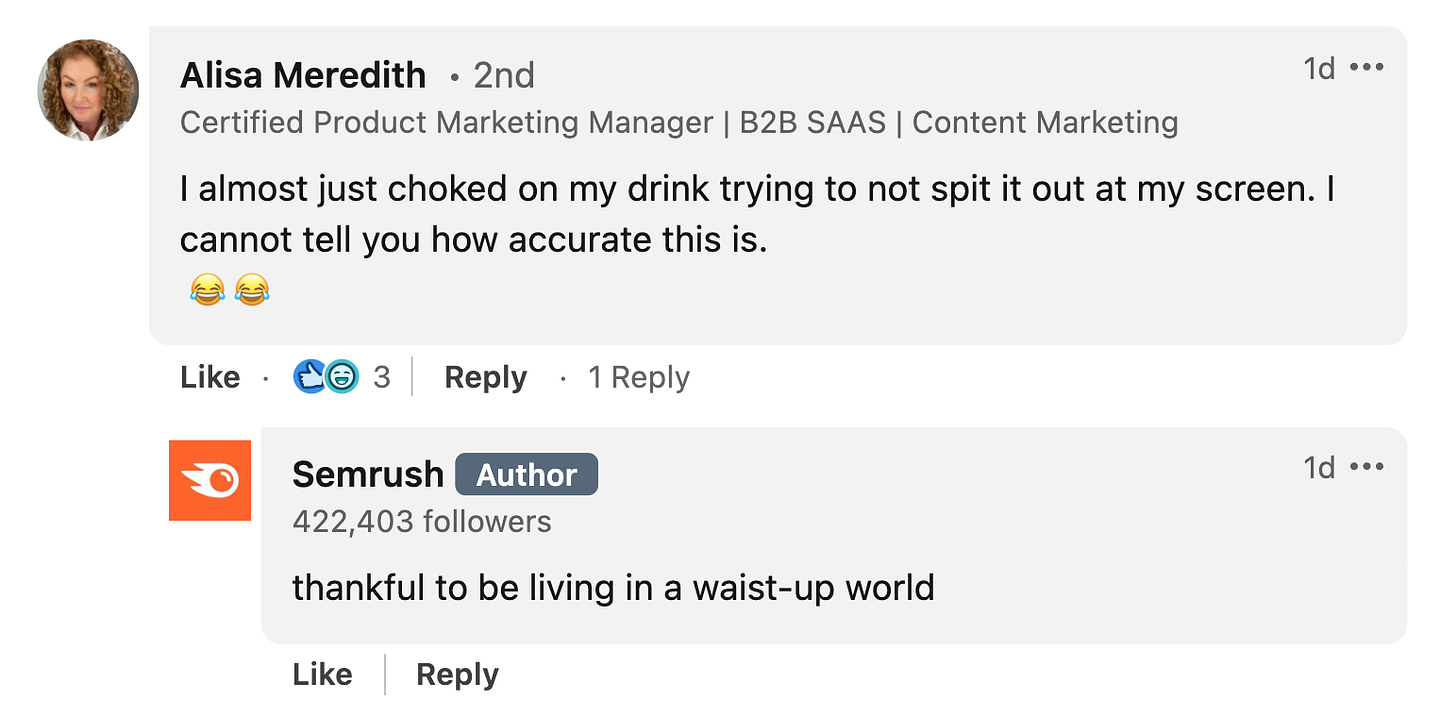
Take, for example, Semrush’s LinkedIn account. Known for their sarcastic tone and posts, the Semrush followers naturally join in on the fun, and this is what their comments typically look like.
So, their users are engaging with the posts, even using terms like “panic attack,” “tears,” and “choked,” which might seem negative at first glance. But once you put things into context, you can better understand the customers’ sentiments.
Final Words
And that’s all from us. We hope you had as much fun reading this article as we did writing it!
What’s left for you to do now is to do the homework, select the right social media sentiment analysis tool for your brand, and take your product game to a whole new level.
But we’re sure you still have a ton of doubts and questions about this topic. Well, that’s precisely what we are here for. Drop us a line and lay it all out on us!
Thanks for reading till the end!