

 Posted by
 In the ever-evolving world of content analysis, the future holds endless possibilities and intriguing challenges. As we inch closer to the year 2024, the landscape of content analysis is poised to undergo remarkable transformations. What are to expect?
This article will cover what the future holds for content analysis in 2024 and strategies to help you prepare for it. But before going into the future of content analysis, let’s first understand what it entails.
What is Content Analysis?
When searching for the word “content”, you’ll get over 25 billion results.
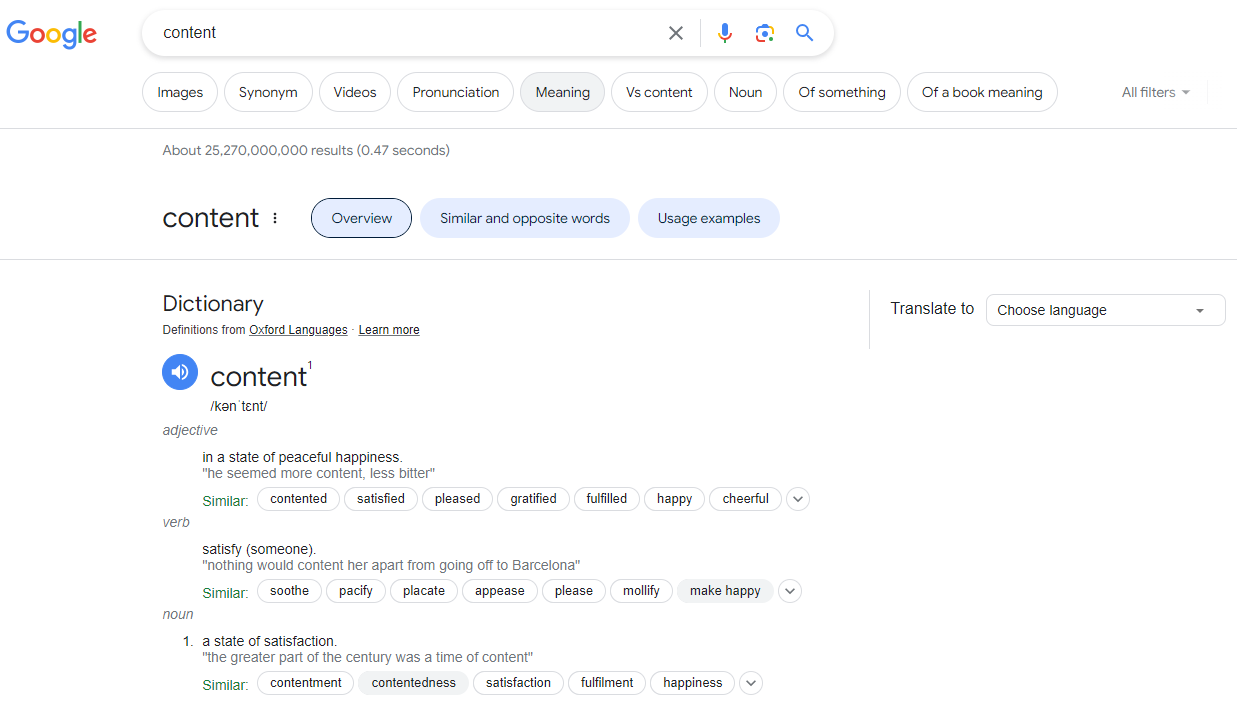
According to Merriam-Webster Dictionary, it is a “principal substance” offered by a website. From a business perspective, content should always be useful, engaging, and a solution-giving information to the users. Content can be both online and offline.
In an offline context, “content” refers to any information that is created and consumed by people. It can be books, directories, magazines, newspapers, and even billboards. In an online context, “content” also includes the same products but in digital form, such as blog posts, videos, infographics, and images.
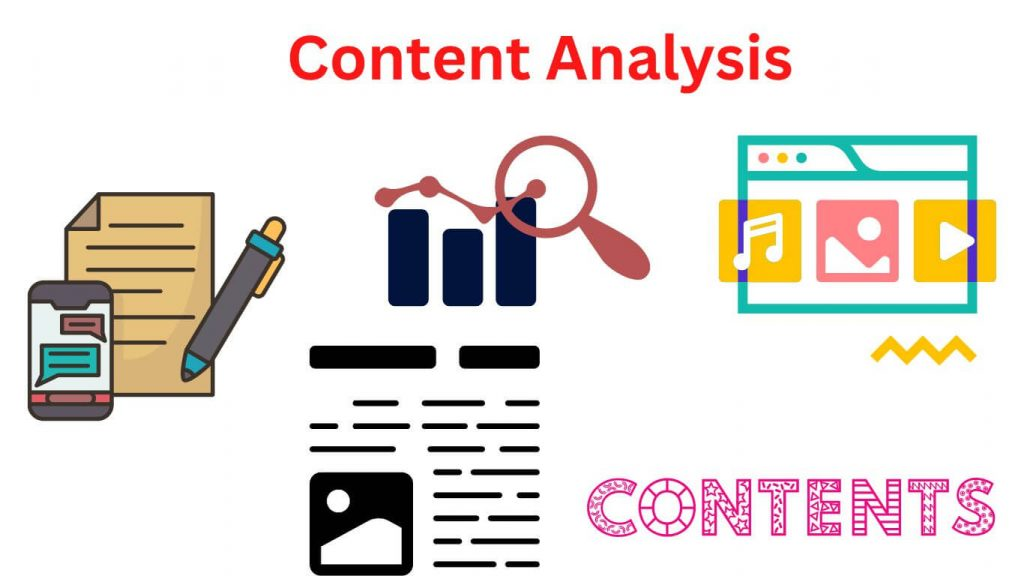
The research tool or technique — content analysis — is widely used to analyze content and its features. It offers businesses an organized, systematic methodology to interpret qualitative and quantitative information, making sense of vast amounts of unstructured data like customer feedback, reviews, suggestions, and complaints.
By analyzing patterns of content quantitatively using statistical methods or using qualitative methods to analyze meanings of content within texts, businesses can gain insights into customer needs, preferences, and pain points, enabling an enhanced and personalized customer experience.
Diverse Applications and Uses of Content Analysis
Content analysis is a versatile research method used to analyze and interpret various forms of communication, such as written text, interviews, images, and social media posts. It has numerous applications and uses, including:
1. Digital Marketing
Content analysis in digital marketing helps analyze customer conversations on social media, apps, podcasts, and other platforms. It helps marketers uncover insights that can inform their marketing strategy and drive business growth.
In SEO, content analysis understands user intent and optimizes website content accordingly. It helps identify relevant keywords, analyze competitor content, and track search engine rankings to improve SEO content and overall performance.
2. Understanding communication patterns
Content analysis understands communication patterns in different contexts, such as interpersonal relationships, organizational communication, political discourse, and media messaging. It helps researchers identify dominant themes, biases, and underlying messages in various forms of communication and provides insights into how people interact with each other and interpret information.
3. Quantitative and qualitative analysis
Content analysis can be for a qualitative or quantitative research method, depending on the objectives of the study. As a quantitative method, it involves coding and categorizing data to measure its frequency and distribution. As a qualitative method, content analysis focuses on understanding the meaning and interpretation of communication.
4. Text analysis for market research
Quantifying and analyzing the presence, meanings, and relationships of words, themes, or concepts in texts through identifying patterns and correlations in how concepts are communicated allows researchers to gain insights into the intentions, focus, or communication trends of individuals, groups, or institutions.
5. Content marketing

For content marketing, content analysis allows you to track your content marketing campaign performance, identify gaps in your strategy, and make informed decisions to improve your results. It allows you to uncover insights from user-generated content, social media conversations, and media coverage, helping you understand customer sentiment, tone, and vocabulary and then create more engaging and relevant content that drives customer action.
6. Evaluating advertising campaigns
Content analysis helps identify key themes and trends in your advertising campaigns that resonate with your audience and improve the ones that need to be adjusted. You can measure the impact of jingles, visuals, or celebrity endorsements. It helps you understand which elements are contributing to the overall effectiveness of your ads and make informed decisions about future campaign strategies.
7. Social media analysis
Content analysis can uncover consumer preferences, attitudes, and behaviors, track trends and influencers, and measure brand sentiment. It can identify the most popular and engaging content for an audience and the trending topics, keywords, and hashtags. These insights can inform social media strategies, content creation, and customer engagement tactics.
8. Customer feedback, reviews, and surveys
Content analysis helps analyze customer feedback, reviews, and survey responses to identify key themes and topics. It can uncover common pain points, satisfaction levels, and suggestions for improvement that can inform business decisions and improve customer experience.
9. Historical research
In historical research, content analysis is used to examine and interpret written or recorded communication from the past. It helps understand a particular period’s cultural, social, and political contexts and provides insight into how people communicated and perceived information.
10. Healthcare

Content analysis in healthcare analyzes patient testimonials, medical records, and social media posts related to health issues. It can provide insights into public health concerns, identify trends and patterns in patient experiences, and inform the development of interventions or policies.
Understanding the Changing Landscape of Content Analysis
The landscape of content analysis has evolved significantly in recent years, driven by advancements in technology, changes in communication patterns, and the increasing availability of digital data. It has been empowering overall businesses through:
- Gain deep insight: Content analysis enables businesses to identify hidden meanings, implicit messages, and underlying themes, allowing for a thorough understanding of their data.
- Understand customer behavior: In marketing research, content analysis can be used to examine ads, customer reviews, and social media posts about products or services, offering insights into customers’ preferences, attitudes, and actions
- Make data-driven decisions: By leveraging content analytics, businesses can measure and evaluate their content strategies, providing valuable insights into audience engagement, conversion rates, and overall content performance.
- Enhance customer experience: Content analysis helps organizations understand their customers better, highlighting their needs, preferences, and pain points, thus enabling an enhanced and personalized customer experience.
- Establish a competitive edge: By presenting concrete evidence of content’s impact, organizations can secure their market position and establish a competitive edge.
What Does the Future Hold for Content Analysis?
Content analysis has evolved from simple frequency counts of words to more complex techniques such as sentiment analysis and natural language processing. As technology continues to advance, content analysis is also expected to evolve in the coming years.
1. Expected Growth and Impact of AI and Machine Learning in Content Analysis

The rapid growth and usage of Artificial Intelligence (AI) boom in the 1980s and the rise of machine learning is due to Moore’s law and exponential growth in the 21st century. This trend is expected to continue for content analysis as well.
As AI processes large volumes of data through training machine learning algorithms, businesses can extract insights that would otherwise be difficult or time-consuming to identify. It implies the significant saving of time and resources and the ability to detect patterns and trends that human analysts could overlook. The augmentation of AI and machine learning promises a more detailed, nuanced perspective of content, unlocking new dimensions of previously unattainable insights.
2. The Rise of Big Data Will Revolutionize the Field of Content Analysis
Big data refers to very large and complex data that is hard and even impossible to process using traditional methods. By 2024, Statistica predicted that world data to be created, captured, copied and consumed will reach 147 zettabytes.
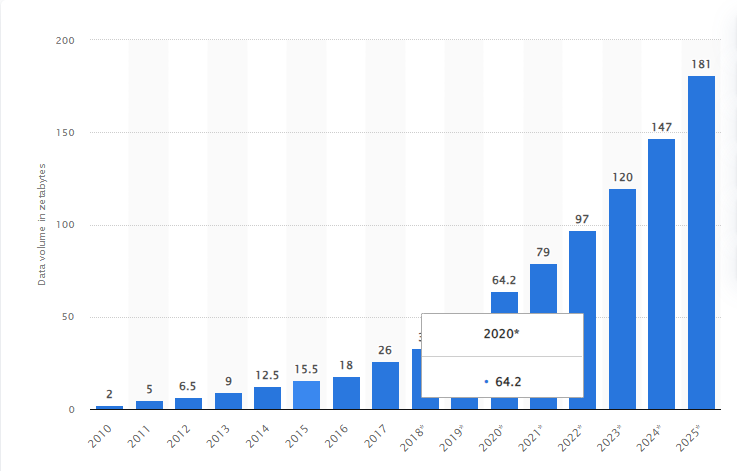
Seeing how data of businesses and individuals continues to grow, efficient and effective content analysis is really important. By leveraging AI-powered algorithms, businesses gain deeper insights about their data. It leads to a better understanding of their customers and audience and making a more informed decision.
3. Sentiment Analysis Techniques Will Become Even More Advanced
Sentiment analysis is a technique that identifies and extracts sentiments, opinions, and emotions expressed in text. With the advancement of technologies, this techniques are also expected to become more advanced.
AI-based sentiment analysis allows for better customer feedback, reviews, and social media content analysis. It helps businesses to identify customer trends, make informed decisions, and develop better customer service strategies for increased customer satisfaction and loyalty.
4. Content Analysis Will Play a Pivotal Role in Personalizing Content
Businesses can create tailored content for individual customers by analyzing customer preferences, interests, and behaviours. It will not only drive engagement but also build brand loyalty, as you will provide the quality of service that they need on a consistent basis.
5. Content Analysis Tools Will Offer Faster Processing Speeds
With the advancement in content analysis tools that are powered by AI, the processing speeds of content analysis are expected to increase significantly. It will enable real-time analysis, allowing for immediate insights and decision-making, where businesses can respond quickly to emerging trends and adapt their strategies accordingly.
6. Content Analysis Could Impact Businesses
Generally, content analysis has the potential to impact various aspects of businesses and industries. It provides an in-depth look into the business’s current strategies. However, leveraging the insights gained from content analysis can drive positive results for businesses.
Content analysis helps in finding what works and what isn’t working for marketers. It will help businesses make necessary adjustments in their marketing plan to always be on top of the game.
Top Strategies — How Can You Prepare for the Future of Content Analysis?
As technology continuously evolves, so does content analysis. Prepare yourself for the future of content analysis to stay ahead of the competition in this ever-changing landscape. Here are some top strategies that can help you stay ahead of the curve.
1. Invest in Artificial Intelligence (AI) Technologies
According to Gartner, investments in AI into businesses will continue to accelerate, implementing solutions. AI can provide advanced data mining and analysis capabilities, allowing companies to efficiently and effectively process large amounts of data. It is especially useful to enable organizations to quickly identify patterns and trends in their content. Also, natural language processing (NLP) advancements have made it possible for AI to analyze text-based content accurately.
2. Streamline Content Analysis with Cloud Services

Cloud services can help with data storage, processing, and analysis, making managing large amounts of data and performing complex analyses easier. To implement a cloud strategy, organizations should align objectives about the cloud, develop a cloud action plan, prepare the organization for execution, establish governance and mitigate risk, optimize and manage cloud costs, and align the cloud strategy with existing strategies and other supporting elements of the business.
3. Harness Automation for More Efficient Content Analysis
Automation is another key strategy for preparing for the future of content analysis. Automated content analysis can quickly go through vast amounts of data without manual intervention. It allows researchers to focus on analyzing and interpreting results rather than spending countless hours collecting and organizing data. Advanced automation tools also provide more accurate and reliable results, improving the overall quality of content analysis.
4. Utilize Data to Improve Content Analysis Performance
Utilize data to improve content analysis performance by continuously monitoring and evaluating your content analysis methods’ effectiveness. By analyzing data regularly, you can identify gaps or areas for improvement and adjust your strategies accordingly.
5. Encourage Continuous Learning and Skill Development
As technology and the content analysis landscape continuously evolve, learning and developing new skills is essential. Attend conferences and training sessions to stay updated on the latest trends, techniques, and technologies in content analysis.
Additionally, encourage your employees to participate in learning opportunities and provide resources to expand their knowledge.
6. Understand the Challenges Ahead for Content Analysis
While there are many strategies for preparing for the future of content analysis, it is important to also understand the challenges that lie ahead. Some potential challenges include bias in AI algorithms, data privacy concerns, and the need for human oversight in automated processes. By staying informed about these challenges and continuously adapting your strategies, you can overcome them and remain at the forefront of content analysis.
Examples of Content Analysis Case Studies
X — formerly known as Twitter — with its hashtag trending, is an excellent example of understanding how content analysis helps discover real-time public interest. Its algorithm analyzes the vast amount of data users share, displaying the most popular discussions as “trending”.

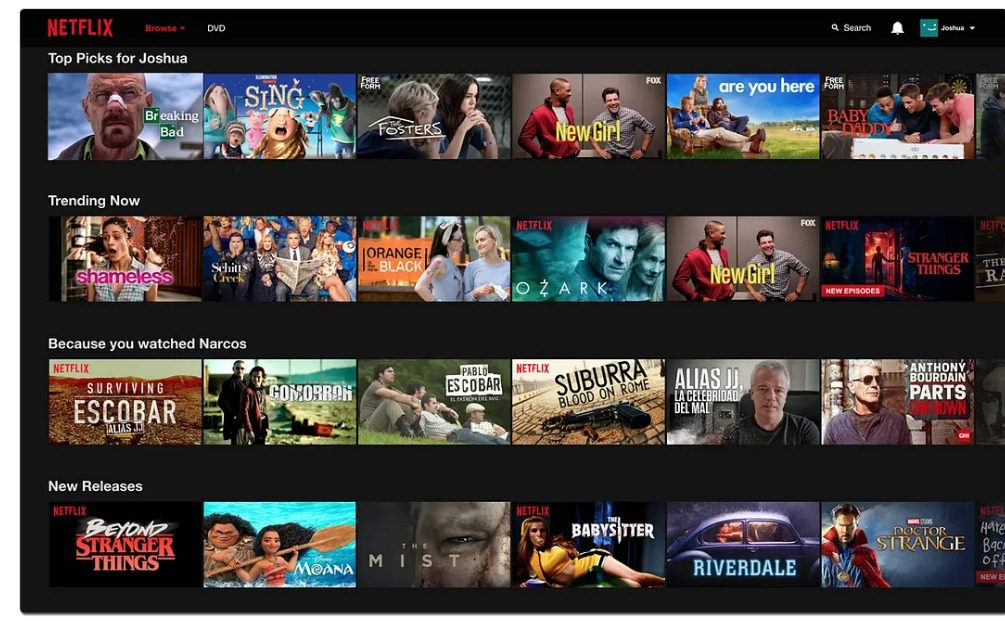
Another example is Netflix’s content analysis to understand user’s viewing patterns. Analyzing what kind of content users watch and the time they are watching, Netflix will be able to provide customized suggestions that would best suit users’ preferences.
This strategy kept users engaged, contributing to the service’s popularity.
Final Thoughts: Importance of Content Analysis in the Future
Though content analysis has been around for decades, its importance continues to grow in the digital age. As businesses and industries become more data-driven, content analysis will play a crucial role in gaining insights and making informed decisions.
By preparing for the future of content analysis and implementing strategies like investing in AI, utilizing cloud services and automation, and continuously learning and understanding potential challenges, businesses can stay ahead of the curve and harness the power of content analysis to their advantage.
So, take action now and start preparing for the future of content analysis! Don’t miss out on this valuable opportunity to gain a competitive edge in your industry.