
 Posted by
 Do you find it challenging to stand out in the competitive world of social media marketing?
It can be frustrating when your social media efforts don’t seem to yield the desired results. With so much noise and competition, it’s easy to get lost in the crowd and miss out on valuable growth opportunities.
Without using email marketing in social media strategy, you may be missing out on valuable opportunities to build relationships with your audience and boost sales.
With the integration of email campaigns and social media strategies, businesses are finding innovative ways to connect with their audience, build lasting relationships, and drive sales.
Email marketing, often considered the backbone of customer engagement, interlocks with the fluidity of social platforms.
By harnessing the collective power of personalized emails and the expansive reach of social media, brands are not selling — they’re engaging in a form of marketing wizardry that captivates and converts.
In this blog, we will explore the dynamic relationship between email marketing and social media. Whether you are a business owner, entrepreneur, or marketing professional, understanding the intricacies and potential of these two mediums is crucial for achieving social media success.
Understanding the Basics
Explaining the Fundamentals of Email Marketing
Email marketing is a digital marketing strategy that involves sending targeted messages to subscribers’ inboxes. It allows businesses to reach their audience directly and on a more personal level.
With email marketing, you can build and nurture relationships with your customers, drive sales, and promote your brand.
Key elements of email marketing include building an email list, creating compelling content, designing appealing emails, and analyzing campaign performance. It’s an effective and cost-efficient way to engage with your audience and drive business growth.
The role of social media in reaching a wider audience
Platforms like LinkedIn, Instagram, and Facebook are home to millions of active users, providing limitless opportunities to connect with potential customers.
By using social media, you can increase your brand visibility, engage with your audience through targeted content, and drive traffic to your website.
It allows you to reach people who may not be subscribed to your email list and expand your reach to new demographics. With the right strategies, social media can enhance your email marketing efforts and help you reach a wider audience.
Importance of a cohesive marketing strategy
Having a cohesive marketing strategy is essential for the success of your business. It ensures that your email marketing and social media efforts work together to achieve your goals.
1. Unified Messaging Across Platforms
Imagine launching a product. If your email subscribers receive detailed information about the product’s benefits while your social media followers only see casual posts about it, the disconnect can lead to confusion. Ensure that key messages and campaigns align across both email and social media for consistent brand storytelling.
2. Increased Engagement and Reach
Social media excels at reach, while emails offer a more intimate interaction. Meld both by including social share options in emails and email sign-up calls to action on social media to expand your audience and engagement levels.
3. Improved Customer Segmentation and Personalization
Use insights from both platforms to segment your audience. For example, social media behavior can say interests that tailor email content, while email interactions can help refine social media advertising targeting, making messages more relevant and effective.
4. Leveraging the Strengths of Each Channel
Email marketing can be ideal for detailed content and exclusive offers, whereas social media is great for quick updates and community building. A cohesive strategy combines these strengths, allowing you to create touchpoints that cater to different user preferences.
5. Consistent Customer Journey
When a customer sees an ad on social media, clicks it, and is greeted with a related email campaign, it provides a coherent journey that can guide them from discovery to sale.
6. Cross-Promotional Opportunities
Use email to inform your audience about social media contests or live events and use social media to highlight your email-exclusive content or promotions, creating a cross-promotional cycle that reinforces engagement across both channels.
7. Maximized Return on Investment (ROI)
A cohesive strategy ensures you aren’t doubling efforts or diluting your message, which can lead to more efficient spend and greater ROI. It capitalizes on the data and analytics from both channels to optimize your marketing budget.
8. Building a Comprehensive Database
Encouraging your social media audience to sign up for emails builds a robust and multi-dimensional database of your clients, which is invaluable for any tailored marketing campaign.
9. Synchronized Sales Cycles
Aligning your email marketing campaigns with social media advertising relating to sales or product launches can create a sense of urgency and increase conversion rates, as multiple touch points reinforce the call to action.
Tips & Tricks for Effective Email Campaigns
1. Building an Effective Email List and Subscriber Base for LinkedIn Marketing
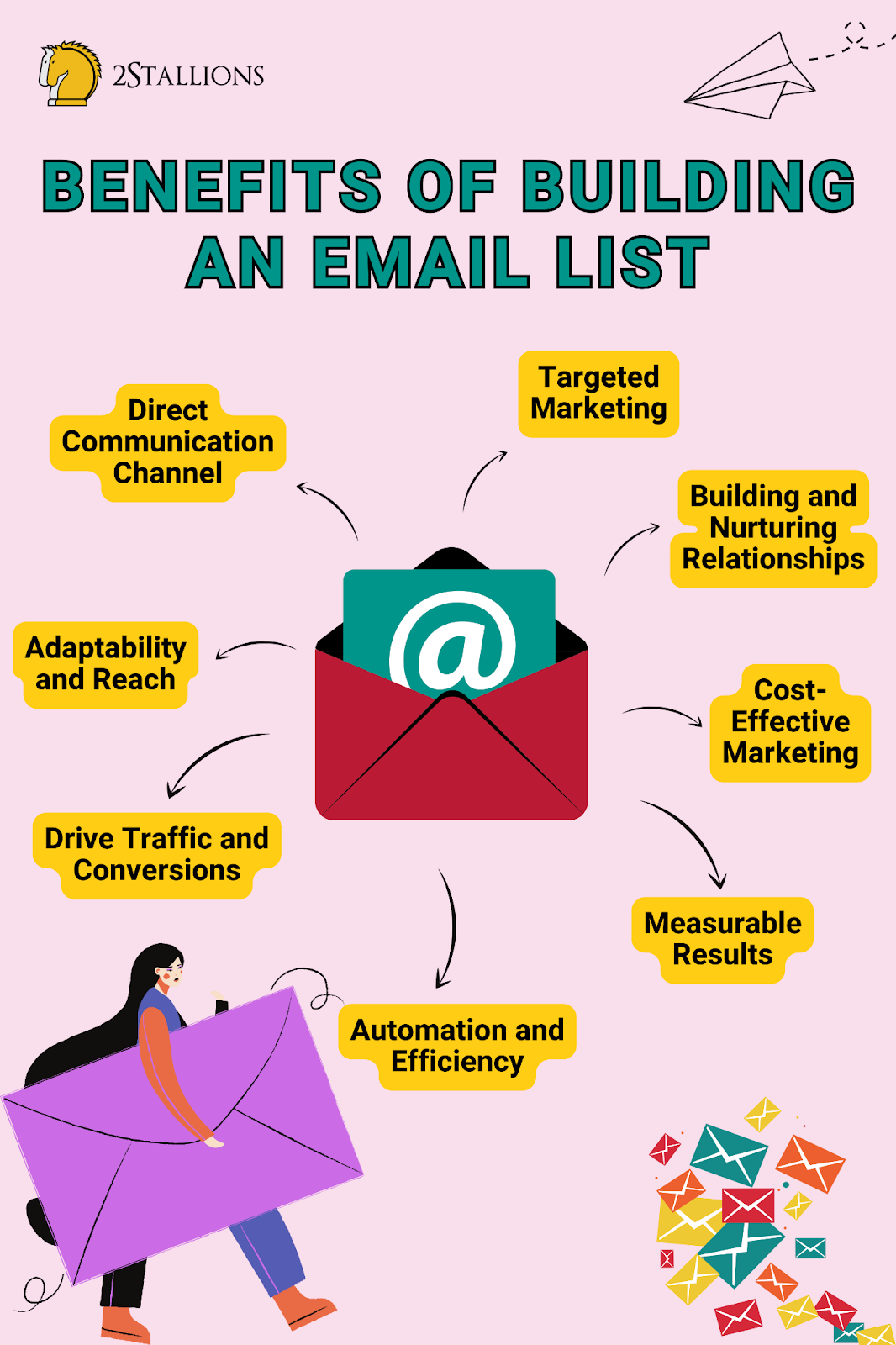
With these tips and tricks, you’ll be able to create email campaigns that drive engagement, conversions, and your growing subscriber & follower base, with a focus on LinkedIn.
Leverage LinkedIn Connections:
- Engage with your connections
- Ask connections to subscribe to your newsletter for in-depth insights or exclusive content.
Create a Compelling Offer:
- Develop a lead magnet, like a free ebook or a webinar, that’s relevant to your LinkedIn audience.
- Promote the offer on your profile and posts.
LinkedIn Groups and Participations:
- Join groups related to your niche.
- Share valuable content and encourage group members to subscribe for more information.
Use LinkedIn Articles to Showcase Value:
- Write articles that prove your expertise.
- Include a call to action (CTA) to sign up for your email list within the article.
Use LinkedIn Email Finder Tools:
- Use LinkedIn email finder tools to streamline the process of gathering email addresses.
- Ensure compliance with privacy regulations when using these tools.
Advertise Your Newsletter on LinkedIn:
- Create sponsored content or ads targeted at LinkedIn members who fit your audience criteria.
- Highlight the benefits of subscribing to your list.
Leverage LinkedIn Sales Navigator:
- Use Sales Navigator to filter and find prospects that match your ideal customer profile.
- You could, for instance, search for “Marketing Directors” in the “Information Technology and Services” industry with “10+ years’ experience”.
Use LinkedIn Boolean Search:
- Use boolean search operators on LinkedIn to refine your search results and find the most relevant prospects.
- An example search string could be “CFO AND (fintech OR ‘financial technology’)”.
Use LinkedIn for Cold Email Outreach:
- Reach out to prospects with personalized connection requests and follow-up messages.
- In your outreach, mention a recent post they’ve shared or comment on a mutual interest to add a personal touch.
2. Crafting compelling email campaigns for social media success
Intriguing Subject Lines:
- Use powerful words and create a sense of urgency or curiosity.
- Keep it short, under 50 characters if possible, to capture attention.
Impactful Copy:
- Use concise messaging with a clear call-to-action (CTA).
- Highlight the benefits, not the features of your offer.
- Example: “Transform Your Morning with Our Premium Blender — Shop Now and Save!”
Personalization:
- Use the recipient’s name and past sale data to customize messages.
- Recommend products or content based on their preferences.
- Example: “Anna, We Thought You Might Love These Handpicked Fashion Finds!”
Consistent Branding:
- Maintain your brand’s voice, colors, and logo across all emails.
- Reinforce brand recognition and trust.
- Example: Ensure all emails from your artisanal bakery include your signature font and pastel color palette.
Audience Segmentation:
- Create groups for new subscribers, loyal customers, or those who haven’t purchased recently.
- Send targeted campaigns to these segments to increase relevance.
- Example: Offer VIP perks in an exclusive email to your most frequent buyers.
Conduct A/B Testing:
- Test different subject lines, layouts, and CTAs to see what works best.
- Use insights from testing to optimize future campaigns.
- Example: A/B test two subject lines to see which one yields a higher open rate for your ebook launch.
Leverage Social Proof:
- Include customer testimonials, reviews, or user-generated content.
- Build credibility and encourage new customers to engage.
- Example: Feature a tweet from a satisfied customer raving about your product.
3. Timing and Frequency: Finding the Sweet Spot for Sending Emails
Mid-Week Momentum:
- Best Days: Aim to dispatch your emails on Tuesday, Wednesday, or Thursday. Data indicates these midweek days yield better engagement rates.
- Example: If you run a weekly newsletter, schedule it for a Wednesday to maximize open rates.
Morning Engagement:
- Peak Time: Consider sending your emails at 10 a.m. for good visibility.
- Example: Launch a product announcement email at 10 a.m. when people are usually settling into work and checking their inbox.
Afternoon Attention:
- Alternative Slot: Try 2 p.m. for reaching those who might miss morning emails during their post-lunch workflow.
- Example: A follow-up email sent at 2 p.m. could capture the attention of subscribers who overlooked your morning message.
Pre-Deadline Reminders:
- Timing: Send a reminder email 3–5 days before an event or deadline for optimal response.
- Example: If you have a sale ending on Sunday, send a reminder on Tuesday or Wednesday to give recipients enough time to act.
Localized Timing:
- Geographical Consideration: Schedule emails according to your audience’s locale’s time zone and customs.
- Example: If you’re running a campaign in many countries, make sure to stagger sends so they land at 10 a.m.
Follow-Up Intervals:
- Strategic Follow-ups: Spread follow-up emails to maintain interest without being intrusive.
- Example: After an initial product email, wait a week before sending a follow-up to avoid being flagged as spam.
Automated Precision:
- Use Tools: Automation platforms can help determine the best send times based on subscriber interaction history.
- Example: Use an email marketing tool that uses machine learning to optimize send times for each subscriber.
Strategies for Synergizing Email Marketing with Social Media
Integrating Social Media Icons and Sharing Buttons in Emails
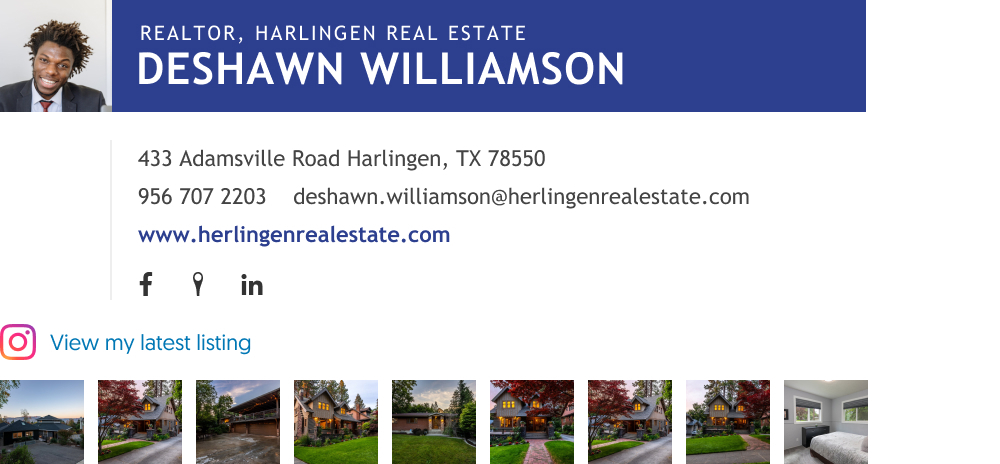
By integrating social media icons and sharing buttons in your emails, you can encourage your subscribers to follow you and share your content with their networks.
This not only helps increase your social media following but also expands your email reach as your subscribers share your content with others. So, don’t forget to include those eye-catching icons and buttons in your emails!
Encouraging Email Subscribers to Follow on Social Media Platforms
Once you have captured the attention of your email subscribers, why not take the opportunity to encourage them to connect with you on social media platforms like LinkedIn, Instagram, and Facebook?
By including clear calls-to-action in your emails and displaying social media icons and buttons, you can entice your subscribers to click and follow you on these platforms. Engaging with your brand on social media will allow them to stay updated with your latest offerings, promotions, and content.
So, don’t forget to invite your email subscribers to join your social media community!
Cross-Promotion: Sharing Email Content on Social Media Channels
Highlight Exclusive Insights
- Share compelling stats or insights from your latest newsletter on Twitter or LinkedIn to spark curiosity.
- Examples: Post a surprising statistic from your email content with a call-to-action (CTA) to sign up for more exclusive content.
Tease Upcoming Content
- Use Instagram stories or Facebook posts to tease upcoming newsletter topics.
- Examples: Create a preview graphic with a thought-provoking question that will be addressed in your next email.
Use Snippets as Social Posts
- Repurpose small sections of your email content as standalone social media posts.
- Examples: A Twitter thread breaking down key points from your newsletter.
Create Shareable Graphics
- Turn quotes or tips from your email into eye-catching graphics for Pinterest or Instagram.
- Examples: An infographic summarizing the tips you provided in your email about productivity hacks.
Share Success Stories and Testimonials
- Highlight customer testimonials from your emails on social platforms to build trust.
- Examples: A video testimonial on Facebook shared from your customer spotlight email section.
Host a Social Media Q&A
- Announce an upcoming Q&A session on social networks that elaborates on topics covered in your emails.
- Examples: A LinkedIn Live where you answer questions related to your latest email’s theme.
Run Social Media Contests
- Use your emails to promote a social media contest and vice versa to build engagement.
- Examples: A campaign where email subscribers can win a prize for sharing their version of your email content.
Track and Analyze Interactions
- Use analytics to understand how your social sharing affects email subscriptions, and tailor your strategy.
- Examples: Analyze click-through rates from social media teasers to email sign-ups, and adjust your content based on performance.
Conclusion
In conclusion, we’ve covered some valuable marketing wizardry tips, tricks, and hacks, as well as the crucial role of email marketing in social media success.
By combining the power of email marketing with social media, you can create a winning strategy to reach and engage their target audience.
Remember, consistency, personalization, and value-driven content are key to success in this dynamic digital landscape. Keep experimenting, stay authentic, and watch your brand soar!