

 Posted by
 In today’s digital age and modern society, the allure of becoming an influencer has intrigued the aspirations of many. With the potential to reach vast audiences and wield significant influence, the role of an influencer has evolved into a desirable position in the online sphere. The influencer marketing market hit $21.1 billion in 2023. Right now, as we speak, the market is still going up.
Yet, achieving influencer status requires more than just luck or charisma — it demands a calculated approach to online brand positioning. We’ll dig into the key tactics and tips to help you carve your path towards becoming a successful influencer in the digital realm.
1. Understanding the Landscape
Before embarking on your journey to become an influencer, it’s important to understand the dynamics of the digital landscape. Social media platforms serve as the primary war zone for influencers, offering an enormous audience base. From Instagram and YouTube to TikTok and Twitter, every platform presents unique opportunities and trials.

Research is vital in identifying the platforms where your target audience gathers. Analyze demographics, engagement metrics, and content trends to determine the most suitable platform for your niche. Remember, quality trumps quantity; focus on building a strong presence on first-line platforms rather than spreading yourself thin across numerous channels.
Platform Dynamics and Audience Behavior
Each social media platform has its own unique dynamics, algorithms, and user behaviors. Understanding these nuances is essential for tailoring your content and engagement strategies well.
Explore platform-specific trends, features, and best practices to optimize your presence and maximize audience engagement. For example, Instagram favors visually appealing content and hashtags, while Twitter thrives on real-time updates and conversations.
Competition Analysis and Market Trends
Conducting a thorough analysis of your competitors and market trends can provide valuable insights into prospects and pitfalls.
Identify key competitors within your niche and scrutinize their content strategies, audience census, and engagement metrics. Use this information to identify gaps in the market and refine your own approach to excel in the competition.
Legal and Ethical Considerations
The digital landscape is governed by a range of legal and ethical considerations, including copyright laws, privacy regulations, and community parameters set forth by social media platforms.
Learn these regulations and ensure compliance in your online activities, including content creation, promotion, and engagement. Adhering to ethical standards not only protects your brand reputation but also fosters trust and credibility with your audience.
2. Defining Your Niche
In the oversaturated world of social media, finding your niche is imperative to outshine the crowd. Consider your passions, expertise, and audience preferences when selecting a niche.
Are you a fitness enthusiast with a knack for meal prep?
Are you a fashion aficionado with an eye for vintage styles?
Are you a tech guru exploring the latest innovations?

Narrowing down your niche helps you target a particular audience and establishes you as an authority in your field. Authenticity is key — choose a niche that supports your interests and knowledge to form genuine connections with your audience.
3. Crafting Compelling Content
Content reigns supreme in the domain of influencer marketing. Your ability to create engaging, relevant, and beneficial content is the cornerstone of building a loyal following. Experiment with diverse formats, such as photos, videos, blog posts, and live streams, to find the medium that aligns with your audience.

Be consistent because consistency maintains audience engagement and visibility. Develop a content calendar outlining your posting schedule and themes to ensure a steady stream of high-quality content. Your contents should contribute to meaningful interactions with your audience.
Storytelling and Narrative
Incorporating storytelling elements into your content can captivate your audience and evoke emotional connections. Work up narratives that resonate with your audience’s experiences, ordeals, and goals.
Use storytelling techniques, namely character development, conflict resolution, and narrative arcs to generate engaging and memorable content. It doesn’t matter if you’re sharing personal anecdotes, user testimonials, or brand stories, storytelling adds depth and authenticity to your content.
Interactive and Multimedia Content
Try out interactive and multimedia formats to enrich the user experience and encourage active engagement. Interactive elements similar to polls, quizzes, and interactive infographics invite audience participation and encourage two-way communication.
Embrace multimedia content formats, including videos, animations, podcasts, and live runs, to cater to varied preferences and consumption habits. Leverage visual and auditory storytelling methods to convey your message and leave a lasting impression on your audience.
Value-Driven Content Strategy
Prioritize delivering value to your audience through educational, informative, or entertaining content that addresses their needs, stakes, and pain points.
Conduct keyword research, audience surveys, and social listening to identify relevant topics and content formats that garner a positive response. Deliver viable hints and unique perspectives to strike as a trusted source of productive data regarding your niche.
4. Building Your Brand Identity
Your brand identity is the foundation of your influencer persona. It comprises your unique aesthetics, values, and messaging. Invest time and effort into making a cohesive brand identity that echoes your identifying mark.

Visual branding is crucial in capturing audience attention and giving rise to brand recognition.
Authenticity and Transparency
Authenticity is the pillar in relation to building an honest connection with your audience. Be transparent about your values, beliefs, and motivations, and let your personality shine in your content.
Share behind-the-scenes glimpses, personal anecdotes, and candid moments to humanize your brand and boost trust among your audience. Transparency builds credibility and loyalty, driving long-term relationships with your followers.
Consistent Brand Voice and Messaging
Establish a consistent brand voice and messaging that exhibits your personality and target audience. Whether your tone is professional, witty, or empathetic, maintain coherence throughout different communication networks to reinforce brand identity.
Formulate brand guidelines delineating your preferred language and style to ensure consistency in written and verbal communications. Consistent messaging amplifies brand recognition and strengthens brand fellowship with your principles and aims.
Visual Branding Elements
Visual branding elements, including emblems, color palettes, typography, and imagery, effectively shape brand identity and perception. Devise a discrete visual identity that reflects your brand’s personality and go down a storm with your viewers.
Ensure consistency in visual branding in all touchpoints, from your website and social media profiles to marketing materials and merchandise. Consistent visual branding reinforces brand recognition and brings a unified brand experience to your audience.
5. Constructing a Relevant Logo
Constructing your logo and then marketing it’s always a good idea for your online brand positioning as you strive to transform into an influencer.
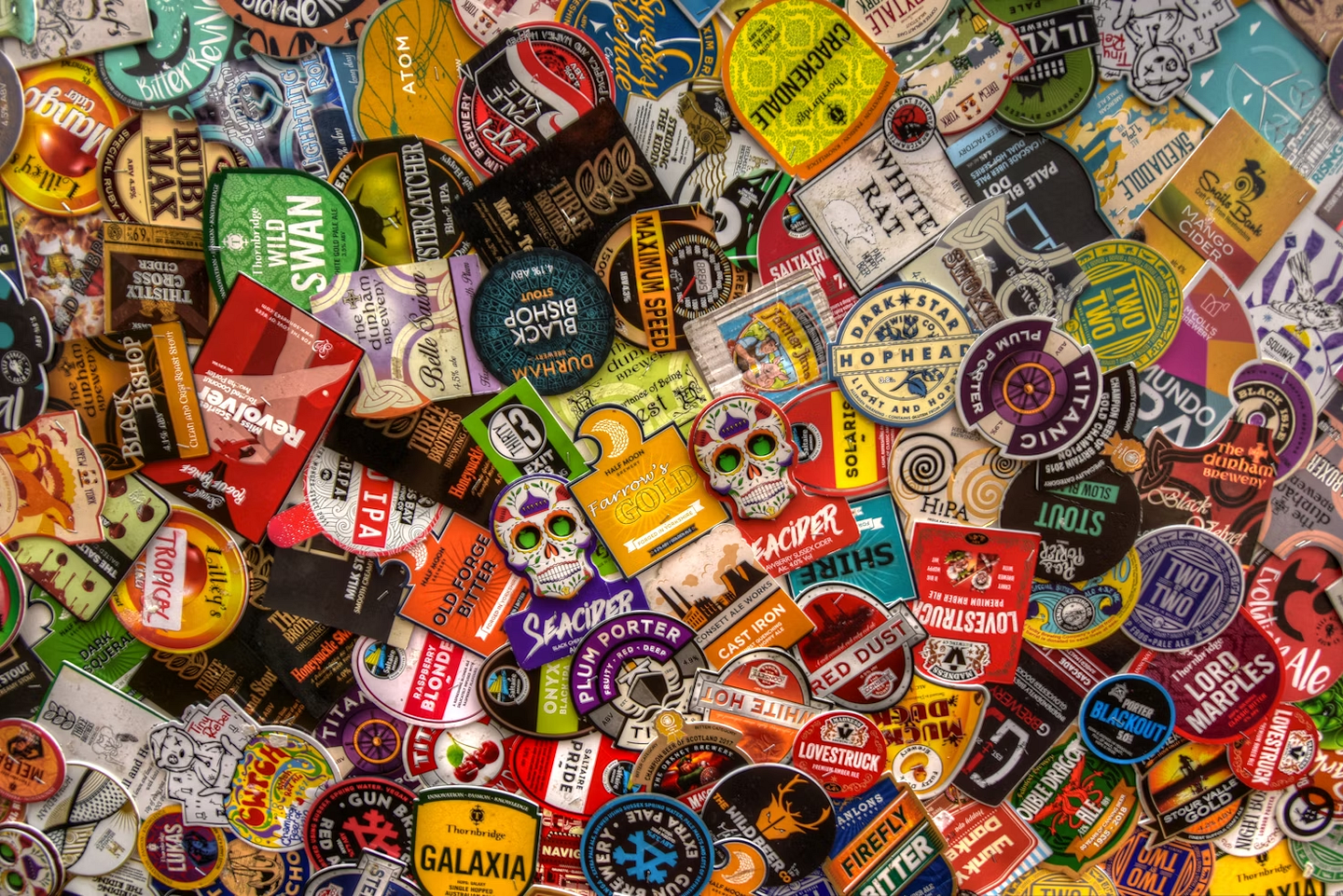
Here’s how it’s conducive to your top-notch influencer undertaking
Brand Recognition and Recall
For influencers, marketing logos enhance brand recognition, making it easier for your audience to identify and recall your brand amidst the huge sea of content online. When users regularly see your logo from end to end of various platforms and marketing collateral, it reinforces your presence in their minds, increasing the likelihood of them engaging with your content.
Professionalism and Credibility
A polished and prominently displayed logo lends an air of professionalism to your online presence. In other words, it signals to possible followers and collaborators that you take your personal brand seriously.
Brand Association and Differentiation
Your logo is the visual representation of your brand values and offerings. By meritoriously marketing your logo, you strengthen these aspects of your brand identity, promoting stronger associations with your audience. On top of that, a distinct logo inclines you to stand out from competitors in your niche.
6. Collaborating with Brands
As your influence grows, brands may seek to collaborate with you to tap into your audience and credibility. However, not all brand partnerships are created equal. You must be selective with your collaboration to sustain authenticity and relevance to your audience.

Connect with brands that share your values and offer undisputable worth. Give priority to solid partnerships over one-off sponsorships to increase your credibility and trust with your audience. Negotiate conditions that match your brand guidelines, audience preferences, and ethical standards to ensure mutually beneficial partnerships.
7. Measuring Success
Tracking and studying fundamental metrics is necessary for evaluating the effectiveness of your influencer marketing efforts. Monitor your likes, comments, shares, and click-through rates to gauge audience interest and interaction with your content.

Beyond vanity metrics, concentrate on qualitative indicators like audience sentiment, brand affinity, and conversion rates, to assess the impact of your influencer campaigns. Utilize analytics tools provided by social media platforms and third-party services to gain practical findings of your audience behavior and content performance.
8. Adapting to Change
The digital habitat is progressing, putting forward both opportunities and challenges for influencers. Be aware of emerging trends, algorithm revisions, and industry shifts to adapt your game plans accordingly. Incorporate experimentation, innovation, and continuous learning to stay ahead of the curve and retain applicability in a competitive environment.
Conclusion
Becoming an influencer commands a strategic approach to online brand positioning, covering niche selection, content creation, brand building, audience engagement, and performance measurement. By understanding the dynamics of the digital landscape, defining your niche, crafting compelling content, building your brand identity, engaging with your audience, constructing a relevant logo, collaborating with brands, measuring success, and adapting to change, you can unlock the power of influence and plough on with your route to digital feat.