
 Posted by
 A well-crafted social media campaign is critical to business success in today’s interconnected digital landscape. It serves as the blueprint for your online presence, allowing brands to reach audiences more efficiently.
With 5.04 billion active social media users as of January 2024, social media offers unparalleled opportunities to connect with vast audiences. Social media will amplify your brand message and drive tangible results. However, to succeed in this ever-changing environment, it’s not enough to post randomly; it requires thoughtful planning and execution.
In this guide, we will discuss the essential steps to enhance the effectiveness of your social media campaigns. We will also provide actionable insights and expert tips to help you confidently achieve your marketing goals.
Top Tips on How to Enhance Social Media Campaign Effectiveness
Before crafting social media campaigns, it’s vital to revisit the fundamentals of marketing. This will allow you to establish a strong foundation for your campaigns and ensure optimal results. Here are some top tips to enhance your social media game and elevate your business presence online.
Understand Your Audience
To truly maximize the effectiveness of your social media campaigns, defining your audience is not enough. You have to understand your audience so you can gain a deep and comprehensive insight into them. Without fully understanding your audience, even the most captivating content risks falling short.
Dig deep into your audience’s preferences, behaviors, and pain points to customize your content effectively. Develop comprehensive buyer personas to ensure that your messaging perfectly aligns with the interests and needs of your target audience.
Through comprehensive buyer personas, you can create campaigns that not only resonate but also foster trust and connection with your audience. For example, if most of your target audience prefers to hang out on WhatsApp, then you might want to use WhatsApp marketing campaigns more than any other social channels. On the other hand, if your audience is more professional and strictly B2B, you might be willing to put most of your marketing efforts on LinkedIn.
Monitor Competitors
Understand your market landscape better by conducting a competitive analysis. It is easier to identify areas of opportunity and set achievable targets for your social media campaigns when you know more about your competitors.
These are the different benchmarks you can monitor to gain a comprehensive understanding of your competitive landscape:
- Performance Benchmarking. Compare your brand’s revenue, brand awareness, and social media engagement against that of your competitors. This will provide insights into your overall performance relative to theirs.
- Strategic Benchmarking. Analyze how your brand conducts business compared to your competitors. You can assess your strategies, tactics, marketing approaches, and customer engagement.
- Process Benchmarking. Evaluate the efficiency of your current processes in comparison to your competitors. You can look at your operational procedures, workflows, and resource allocation to identify areas for improvement.
Select the Ideal Social Media Channel
Understanding your audience and aligning with your campaign objectives is crucial when selecting the right social media channel. To make an informed choice, analyze past website analytics to determine which channels drive the most traffic and leads. Remember that each platform has its own best practices and content types, so choose wisely based on your objectives and audience preferences.
For instance, if your target demographic is Generation Z, where 44% rely on social media for product research, focusing on platforms they frequent enhances the effectiveness of your social media campaign goals.
Moreover, with the rise of e-commerce and the popularity of unique and customizable products, it’s worth considering incorporating trending products to sell into your strategy.
This approach can capture the interest of a broader audience, especially if your social media campaigns highlight the appeal and customization options of items that are currently in vogue. By staying on top of market trends and consumer preferences, your content remains not only relevant but also highly engaging.
Popular platforms like Facebook, X, LinkedIn, Instagram, and Pinterest offer unique features catering to specific demographics and interests. For instance, Facebook is great for targeted campaigns due to its vast user base. Besides that, you need to consider your business type, too. If you have a visual-centric business, you can thrive on Instagram or Pinterest, while B2B companies may find LinkedIn or X more beneficial.
Establish Social Media Profiles
Once you’ve identified the networks to focus on, it’s time to create or enhance your profiles to align with your strategy. Here are the steps you can follow:
- Fill out all profile fields and incorporate relevant keywords or hashtags.
- Maintain consistent branding, including logos and images, across all platforms.
- Use high-quality images that adhere to recommended dimensions for a professional appearance.
- Make a strong first impression as your social media profile serves as the first point of contact with potential customers.
- Add a call-to-action to direct users to your website or specific products/services for increased engagement.
Plan a Content Schedule
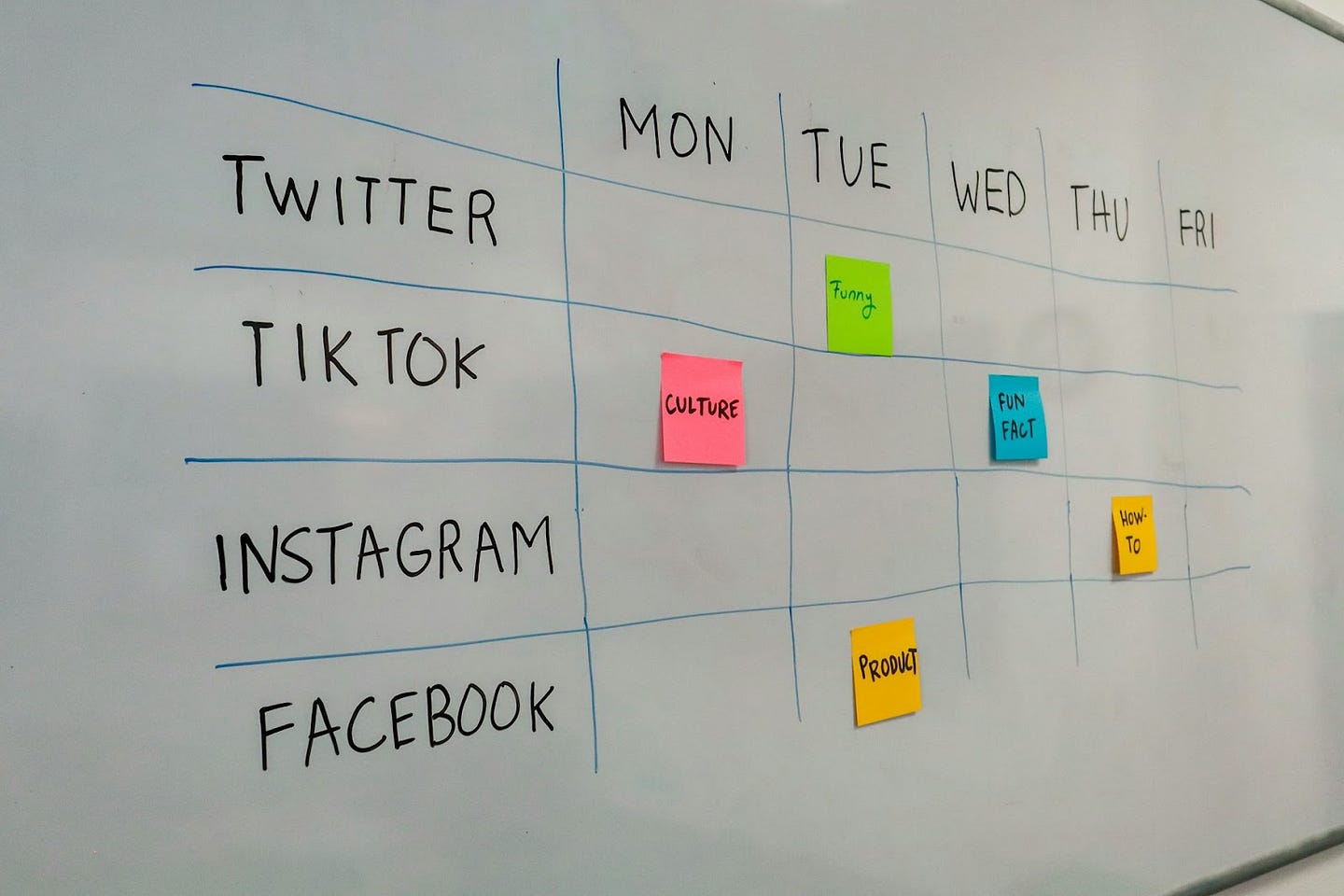
To supercharge your social media campaign, create a content schedule using a content calendar. This roadmap outlines when and where to post content. To come up with a robust content schedule, here are tips to consider:
- Go for evergreen content. Create posts like blog articles or educational videos with lasting value.
- Seize opportunities with trending topics or news events for immediate engagement.
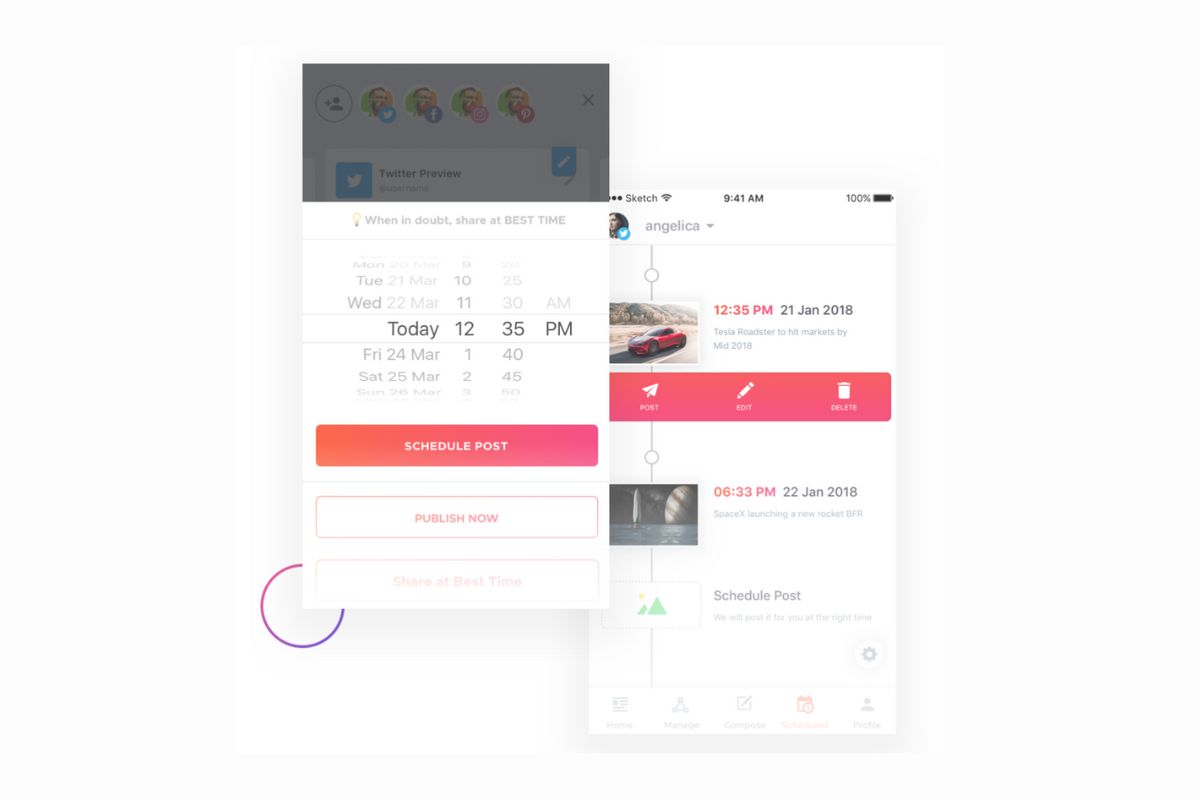
- Schedule posts ahead to ensure consistency and save time.
- Dedicate specific time slots for planning and scheduling content to maintain a steady flow.
- Research and incorporate relevant hashtags to expand post visibility and reach.
- Blend popular and niche hashtags to target specific audiences and tap into broader trends.
- Include diverse visual content like images, videos, or infographics to boost engagement.
- Ensure visual assets align with your brand identity and resonate with your target audience.
- Partner with influencers whose audience aligns with your target market to broaden reach.
- When coordinating posts with influences, establish clear expectations and goals to foster successful partnerships.
Produce High-Quality Content
High-quality content helps build and maintain a strong presence on social media. Ensure your content strategy matches each platform’s mission and backs your business objectives for effective social media campaigns.
When crafting content, aim for a balanced mix. You can employ the 80–20 rule, also known as the Pareto Principle. Create high-quality content by allocating 80% of your efforts to create informative, educational, or entertaining content for your audience. You can dedicate the remaining 20% to directly promoting your brand or products.
Below are the other tips you can try when creating high-quality content:
- Focus on Value. Create content that entertains, inspires, or educates your audience. Address their pain points and needs to make your content more valuable and engaging. If you are a bachelor of science in game design and development degree graduate or a similar field, your unique background can offer insights into experimenting with different styles while maintaining your brand voice.
- Know Your Audience. Define your audience persona clearly to tailor your content to their preferences and interests. Speak directly to them to increase engagement and relevance.
- Engage with User-Generated Content. Share content created by influencers, followers, or industry experts to boost engagement. You can also encourage interactions through contests, testimonials, reviews, and live streams.
- Create Various Content Types. Experiment with different content formats. Try blog posts, videos, ebooks, social media posts, and interactive tools to find what resonates with your audience best. You can also add visuals like images, infographics, and short clips to capture attention quickly.
Promote Social Media Sharing
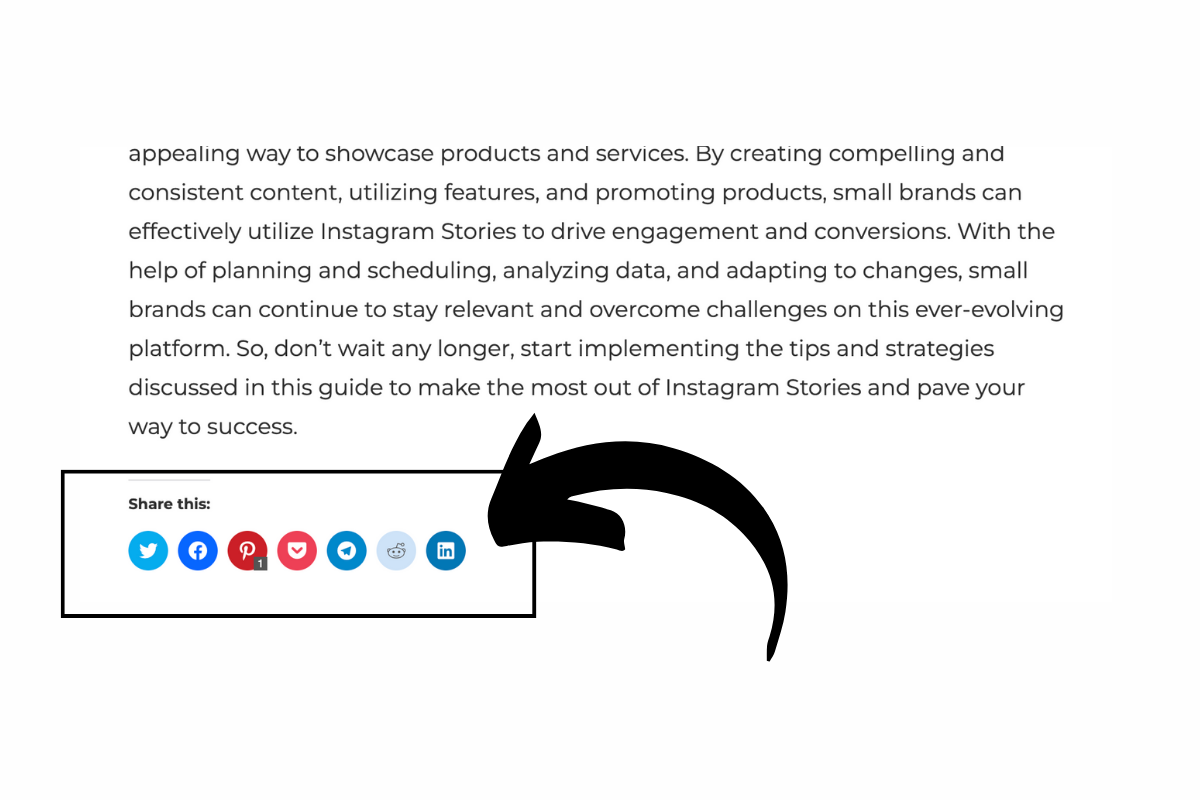
Your audience won’t be able to know more about you if you don’t let your existing customers share your information. This is where social media share buttons can come in handy.
Integrating relevant social media buttons across your online presence — on websites, blogs, and email signatures — can help them share details about your offerings with other people who might also be interested in your brand.
These buttons complement your content, drive traffic, and spark engagement. You can strategically place them at the start and end of posts. Moreover, most platforms offer customizable buttons for sharing, following, and mentioning so you can choose which ones fit your social media campaigns best.
To expand sharing options beyond X and Facebook, you may also consider social sharing plugins or apps. Popular tools like ShareThis offer both inline and floating buttons for WordPress and Shopify websites.
If you want to maximize campaign effectiveness, try to select social sharing buttons based on audience preferences and behavior. Test various button placements and track social media traffic for optimal results. Effective button usage can greatly boost your social media campaign success.
Use the Right Social Media Productivity Tools
Running a successful social media campaign hinges on using the right tools throughout. Whether it’s crafting content or analyzing metrics, tools can elevate your campaign’s effectiveness.
Here’s a list of productivity tools that can assist you in improving your social media campaign:
- Graphic Design Tools. Use tools like Adobe Spark to enhance visuals and create appealing content that resonates with your audience.
- Content Curation Tools. Consider using content curation tools to gather relevant content from different sources. This can help you save time and ensure your audience remains engaged with valuable material.
- Social Media Management Platforms. Use social media management tools to assist you in streamlining social media management tasks. These tools can help you schedule posts, respond to comments, and monitor mentions across multiple platforms.
- Analytics Tools. Leverage tools like Google Analytics or Facebook Insights to track important metrics like engagement, reach, and ROI. These insights can help you refine your strategy and improve campaign effectiveness.
Assess Campaign Effectiveness
Is your social media campaign truly making an impact? To find out, it’s crucial to assess its effectiveness. Start by asking critical questions about engagement, partnerships, and audience behaviour. You can also conduct a thorough social media audit using tools and templates that can help pinpoint areas for improvement.
Shift your focus from superficial metrics like follower count to engagement and click-through rate (CTR). Measuring engagement and CTR in social media helps evaluate content effectiveness and understand audience interactions.
As for engagement metrics, these include likes, comments, shares, and reactions. These signify audience interest, connection, and content resonance. Engagement metrics also offer insights into preferences and behaviors. To calculate the engagement rate, divide total engagements by either total followers or reach, then multiply by 100. This provides a clear measure of engagement relative to audience size.
Similarly, CTR represents the percentage of viewers who click a link on a post. To calculate CTR, divide the number of clicks by the number of impressions. Monitoring CTR will help you gauge how effectively your content promotes your brand. CTR metrics also reveal audience interest and intent.
Prioritize engagement and CTR so your business can make informed decisions to improve social media performance and enhance customer engagement and loyalty.
Tweak Social Media Campaigns as Needed
Flexibility matters when it comes to social media campaigns. Utilizing the tools mentioned above to assess your campaign effectiveness, be ready to tweak as needed. Use the data you gather to test different types of posts, campaigns, and strategies against each other. This constant testing helps you understand what works and what doesn’t in real-time.
Remember, each social media platform has its unique algorithms and trends, so staying updated is crucial. Analyze your competitors and industry leaders thoroughly to glean insights and best practices. Experiment with different content types, posting times, and calls to action to improve engagement and conversion rates. You must embrace a culture of learning from each campaign to continually enhance your approach. By continuously optimizing your campaigns, you keep your online presence fresh and relevant in the ever-evolving digital landscape.
Achieve Maximum Impact with an Effective Social Media Campaign
To make your social media campaigns truly impactful, it’s crucial to follow a well-thought-out strategy. Start by understanding your audience and choosing the right platforms. You can also craft top-notch content to boost engagement and get measurable results.
Moreover, keep an eye on your competitors, establish a strong online presence, and use social media tools to boost your campaign’s effectiveness. In today’s fast-paced digital world, it’s important to regularly evaluate your campaign’s performance, adjust your strategies as needed, and stay adaptable to real-time data to stay relevant.
By prioritizing audience insights, strategic planning, and ongoing optimization, you can elevate your businesses’ visibility, cultivate genuine engagement, and drive tangible growth through social media.